
“You can learn more about a person in an hour of play than in a year of conversation.” So true. You see their true self, their spirit of adventure, sense of humor and how they relate to others.
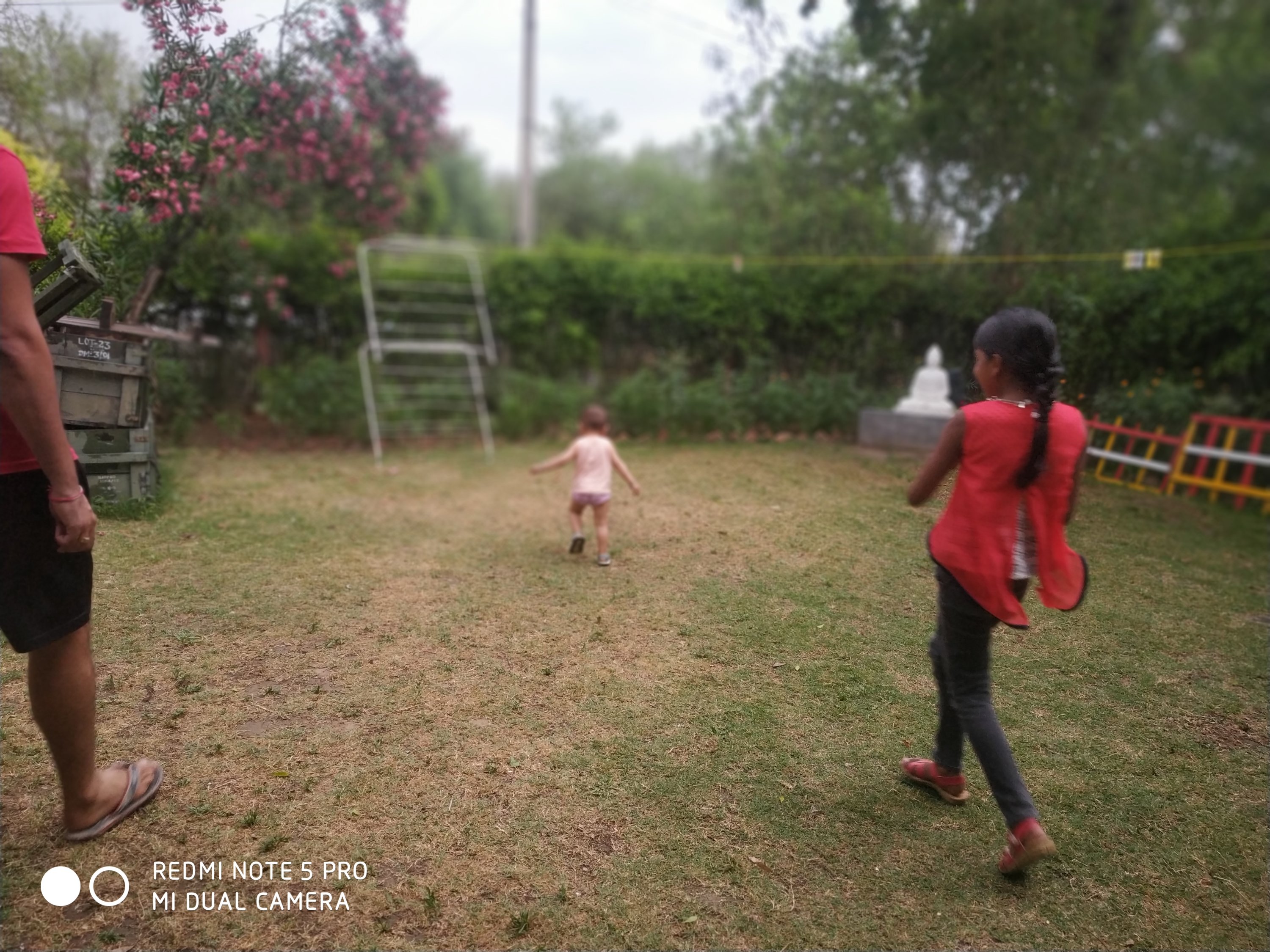
As being a mother of 20 months old baby boy, I feel that outdoor play is very much important for kids. In the era of technology, we are neglecting the outdoor plays and activities and giving a mobile or tablets to our children. This is not good for their brain health. Mobile is snatching children’s curiosity, brain health.
What is outdoor play?
Playing outdoors is one of the things that characterize childhood, giving children the opportunity to explore, discover, practice, wonder, change, create, and learn about the world around them. Children’s basic needs for freedom, adventure, risk taking, experimentation, and just being children are enhanced by outdoor environments. Children can express themselves with more active movement, louder voices, messier activities, and more rough and tumble play in outdoor settings.
Getting your child into outdoor play: ideas
It’s a good idea to encourage your child to play outside several times a day.
Outdoor play doesn’t have to be a big deal, particularly if you have an outdoor space at your home. Especially with older children, sometimes all you need to do is send them out the door and let them come up with their own games. When younger children are playing outside, though, they need your help to stay safe around outdoor hazards.
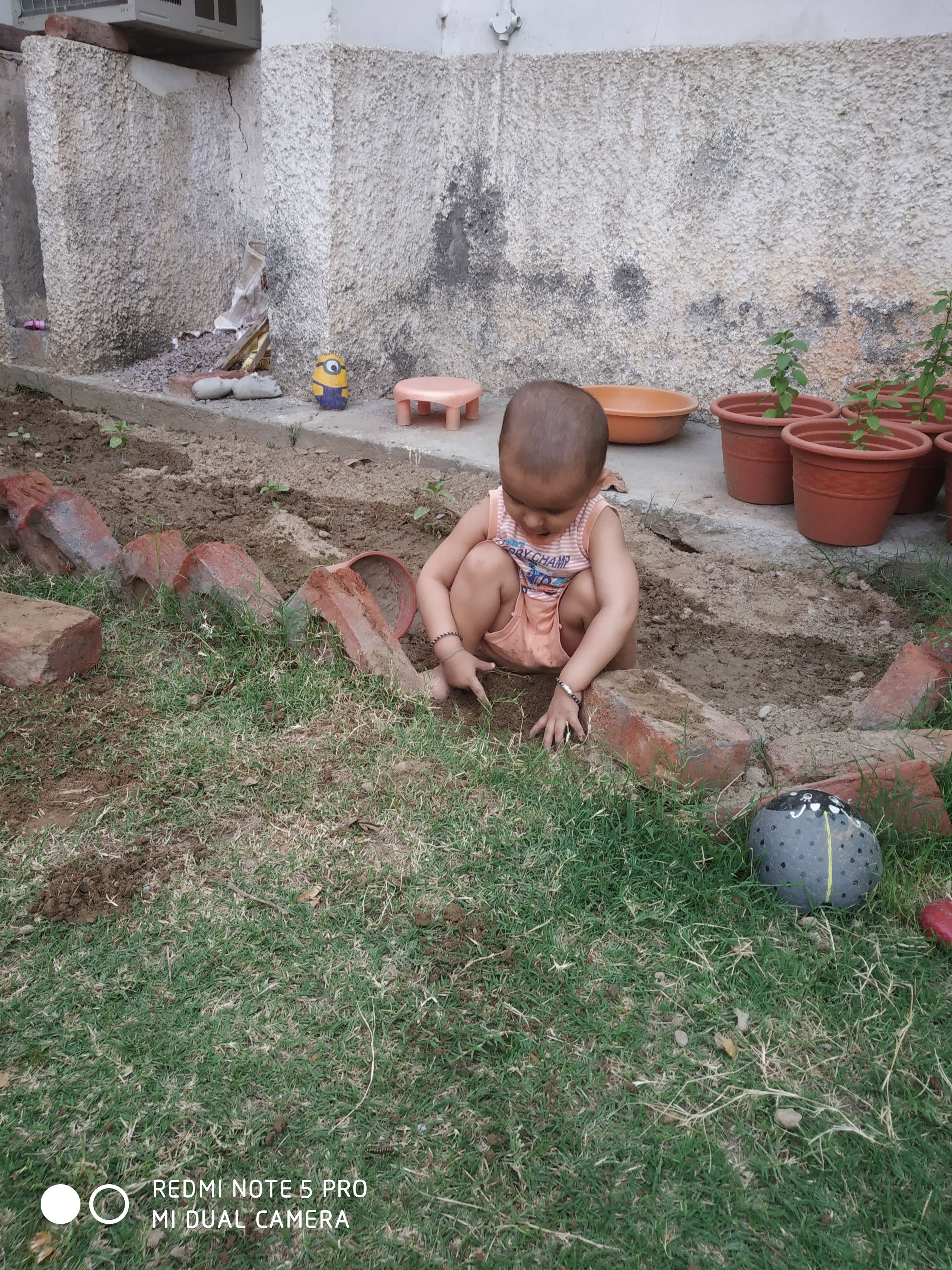
Many younger children love to ‘help’. This means that outdoor play can include working with your child on everyday tasks like weeding, sweeping the driveway, watering vegetables or hanging clothes on the line. Specially, my son love to do gardening.
Making time to visit your local park, oval or playground is a low-cost and easy option, especially if you don’t have a yard. Your child will probably have even more room to run around there and might meet other children. There are lot many options like swings, running, making new friends etc.
If you can walk to the park, you can also teach your child about road and safety rules on the way. Even younger children can get out of the stroller and walk for a little while. Walking together shows that you value and enjoy outdoor activity too. Other outdoor, active transport activities include riding bicycle, scooter.
As your child gets older, you could encourage him/ her to try a structured outdoor activity like junior sport.
The Purpose of Outdoor Play:
“There is a critical need to develop a disposition for outdoor physical activities in our young children”.
There are two fundamental reasons why outdoor play is critical for young children in our early childhood programs and schools.
First, many of the developmental tasks that children must achieve—exploring, risk-taking, fine and gross motor development and the absorption of vast amounts of basic knowledge—can be most effectively learned through outdoor play.
Second, our culture is taking outdoor play away from young children through excessive TV and computer use, unsafe neighborhoods, busy and tired parents, educational accountability, elimination of school recess, and academic standards that push more and more developmentally inappropriate academics into our early childhood programs, thus taking time away from play.
So, the purpose of playing outdoor games may be:
1. To maintain physical health
2. Enjoyment of outdoor games
3. Learning about the world
4. Learning about self and environment
Outdoor play for different ages:
Outdoor play helps your baby learn about different surroundings and can make him feel more comfortable with the world around him. Some ideas for outdoor play with your baby include:
- enjoying tummy time on a blanket, towel or picnic rug
- crawling on grass, under outdoor furniture or through old boxes
- watching tree leaves and branches move and listening to birds
- looking at different coloured cars, street signs or traffic light signals.
Toddlers are keen to explore the world around them and test out their growing physical skills. Outdoor play for your toddler might include:
- Throwing and chasing balls
- wheeling, pushing or pulling different toys and objects
- walking, running or jumping around trees, over stones or cracks in the footpath, into puddles or towards favourite objects
- blowing bubbles and chasing them as they float away
- playing in sand, mud or small amounts of water – but keep an eye while playing with water to prevent drowning accidents.
Preschoolers are learning to play with other children. They also like make-believe. You can help your child make the most of this stage with outdoor play ideas like:
- playing games of chasey, hide-and-seek or kick-to-kick
- crawling through tunnels or climbing over fallen trees
- moving in different ways with colourful leaves, flowers, scarves or streamers
- making mud pies with dirt and old cooking utensils
- going on a nature walk together and naming all of the different sounds you hear
- building a cubby house out of boxes, clothes baskets or outdoor play equipment or furniture.
Your school-age child is becoming more involved in structured play, like sport, but it’s still important to make time for free play outside. At this age, children still enjoy:
- building and creating with equipment, furniture or other things they find outside
- playing tiggy, chasey or tag
- climbing trees.
Bumps and bruises when playing outside:
It’s natural to worry that your child could hurt himself/herself when playing outside. Sometimes your child might be worried about trying something new. This is all a normal part of outdoor play, and these worries shouldn’t keep your child from playing outside.
It’s ok for your child to push the play boundaries outside, where he has room to run faster, climb higher and jump further.
It might mean some tears, a scrape or a fall, but ‘risky play’ helps your child learn from mistakes and bounce back.
Children who have been kept away from these outdoor experiences are more likely to get seriously hurt when they have outdoor experiences.
Summary:
- Outdoor play is good for your child’s physical health, development and self-confidence. It’s great fun too!
- Encourage your child to play outside several times a day.
- Outdoor play ideas include tummy time, ball play, nature walks, bike rides and more.
 healthy child and healthy recipes
Grt explanation for a simple thing
LikeLiked by 1 person
Nice Blog and very helpful for parents.
LikeLiked by 1 person
All these measures are most important for physical and mental development of a child.
LikeLiked by 1 person
Good keep it up…❣️❣️
LikeLiked by 1 person
Nyc and helpful comment for the physical and mental health of child and keep it up beta…🥰🥰🥰
LikeLiked by 1 person
Very informative… Keep it up….
LikeLiked by 1 person