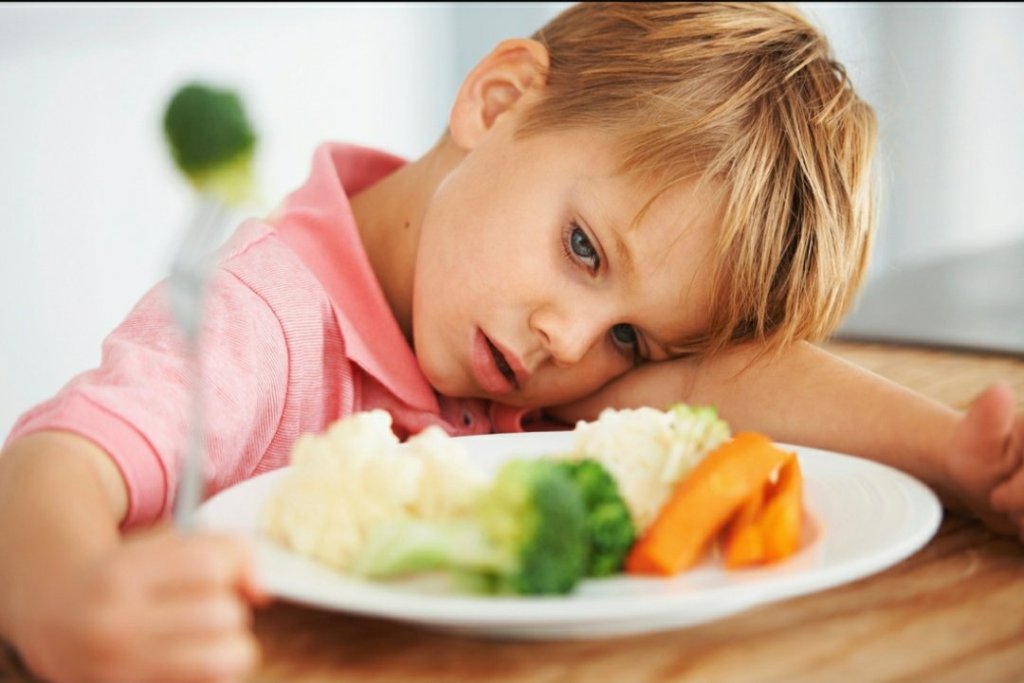
Travelling with a baby: are you ready to take this challenge?

Travelling with an infant may seem intimidating for first-time parents, but it’s possible and with proper planning and lots of preparation, new parents can have an enjoying travelling experience with their little one. Your baby may even enjoy the whole experience of getting out of the house and travelling about with people. If you’re planning to travel with your little one soon, there are certain things you need to keep in mind.

I am travelling with my baby since he was 3 months old and trust me it’s a fun.
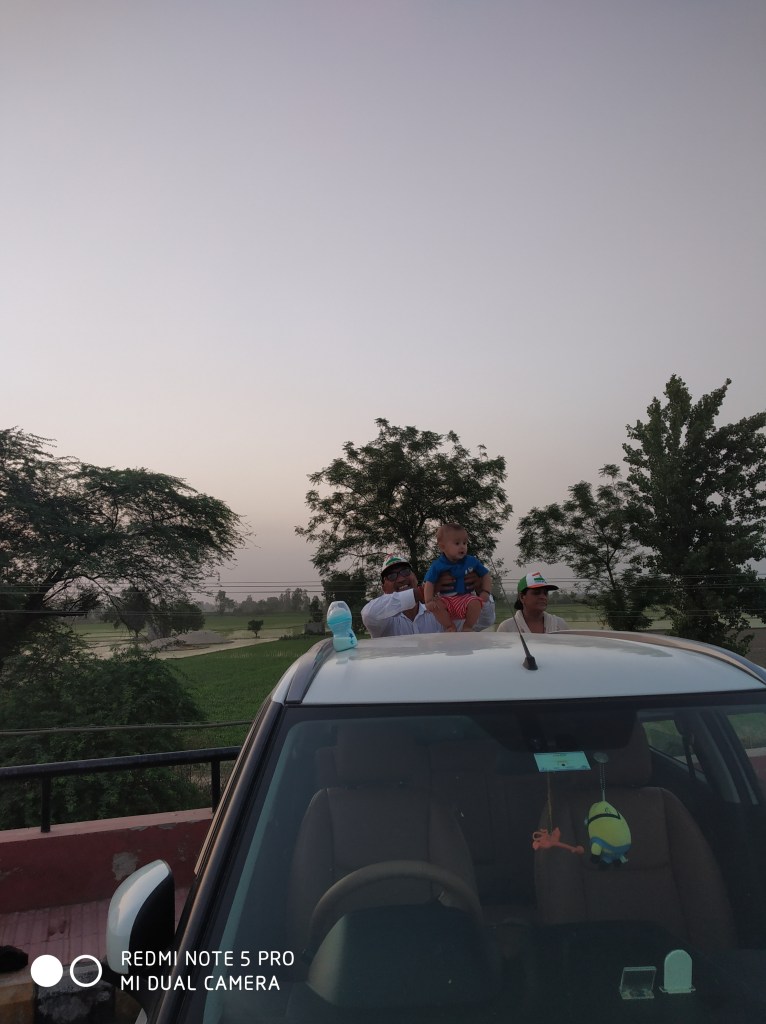
Make Sure Your Baby is Old Enough to Travel

Ideally, the first 40 days after childbirth are best avoided for any kind of travel. This period of confinement may extend to a few more weeks in order to safeguard your baby from infections and to give yourself time to recuperate from the delivery.

If travel is unavoidable during this period, then you may plan a journey by train, car or bus. Air travel may not be feasible at this time, as some airlines have strict age restriction policies for infants and do not allow a baby on board till he is at least a month old.
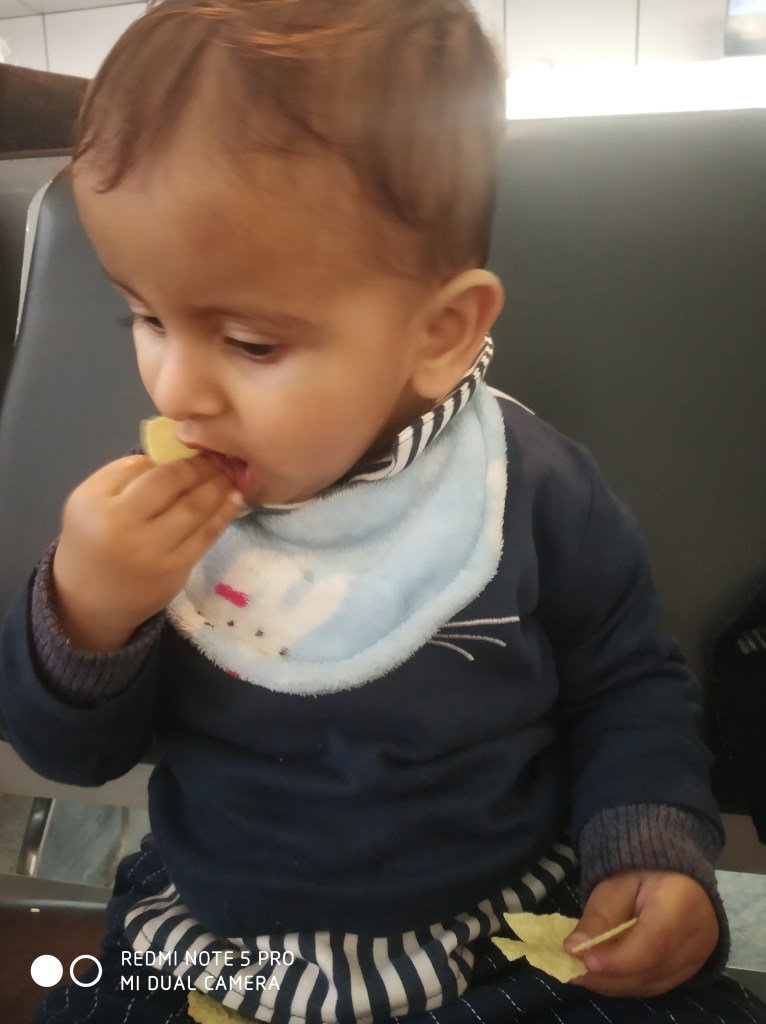
At airport (flight ✈️ journey)

It is considered safe to travel when the baby is about 3 months old. His delicate immune system would have developed some more resistance by then. Once the baby is 6 months old or beyond and has a fixed routine of feeding and sleeping, you may be required to plan the travel around his needs. Interestingly, infants have known to enjoy travelling, if they are well-fed and feel secure enough. The motions and commotion can often assist them in sleeping.

How You Can Keep Your Baby Safe When Travelling

It makes sense to follow the golden rule: keep it simple. You may like to plan your itinerary in a way that it is not exhausting for the baby. Avoid long spells of travel for your baby. Try and restrict to fewer activities in a day.

Also, keep your schedule flexible to accommodate your baby’s moods, sleeping and feeding timings. It may be a good idea to select an infant-friendly destination and hotel so that you are not required to spell out all your requirements.

The overall safety guidelines that you adopt at home to ensure your baby’s safety, can be applied while travelling as well. Here are a few tips to keep in mind:

  1. When travelling by road, keep in mind to correctly install the car seat of the baby on the rear seat of the car rather than the front seat and properly secure the seat belts. This point is applicable only when your baby feels comfortable in car seat. Because, my son never sat in the car seat.
  2. It may be a good idea to place window shades or even a small towel or piece of cloth, on the windows of your car to protect the child from the harsh sun.
  3. It may be wise to carry along a basic baby’s first aid kit with all the essential medicines to manage any probable medical issues like for colic, fever, nausea, cold and cough or upset tummy. Also, it is advisable to consult your doctor in this regard, especially if your child has motion sickness. You may be required to carry the prescription of these medicines, in case you are travelling by air. Personally, I keep medicines like colic aid, paracetamol (syrup), cetrizine etc.
  4. It may be wise to make your child wear a bright coloured dress so that it is easy to locate him in crowded places. You may also like to stick/clip on an identity card on his clothes with his basic information, in case you lose sight of him in a crowd.

How You Can You Feed a Baby When Travelling

Carrying adequate water and sufficient food, while travelling with an infant, maybe very helpful as infants may demand it anytime and generally don’t have the patience to wait. If you are travelling by road, taking regular short breaks may be suitable for the baby.  If you are breastfeeding, it is most convenient, especially if you are not required to carry any gear for it.

If your infant is on baby food or infant formula, then you may want to plan carefully. Here is what you need to feed your baby:

  • It may be convenient to carry easy to pack, mini formula food packets.
  • An insulated flask filled with boiled water, and pre-sterilised travel bottles and nipples will come handy.
  • If your baby is on solids, pack some travel-sized baby cereals packs, which can be easily prepared by mixing milk or water. It is always a good idea to buy the baby food in your baby’s favoured flavours so that it may relax him during travelling.
  • Carrying sufficient wet wipes and enough baby bibs may also be necessary.
  • Bear in mind to always boil drinking water rather than using packaged drinking water, to prevent any likely upset tummies.
  • When travelling by air, it may be better to feed the baby during landing or taking off to prevent any an earache. Most airlines impose no restrictions on carrying adequate baby food for the trip.

What You Need to Pack for Your Baby

It is recommended to pack keeping in mind the destination and the number of days of travelling involved.

  • Make a list of things to carry while travelling with a baby, before you start packing. This can come in handy lest you forget to pack something vital at the last minute.
  • If you are travelling with a baby, it may be beneficial to carry a foldable pram or stroller which is lightweight and doesn’t occupy much space. Otherwise, you can also opt for a baby sling or a baby carrier, which is practical as you can freely move about while sightseeing.
  • If your baby is used to sleeping in his own cot, you may want to take it along, for strange hotel room beds can become an issue. In case, it is bulky and you do not wish to carry it, you may consider taking along your baby’s favourite sheet or blanket instead. The familiar feel and smell may help in soothing and calming the baby.
  • Remember to carry the regular baby essentials like diapers, diaper rash cream, breast pads, wipes, tissues, bibs, baby’s bowl and spoons, baby soap and lotion, and so on.
  • Also, carrying along a favourite toy may help in engaging the infant usefully. Packing a goody bag full of the child’s favourite items like toys, colours, books, puzzles may be a great idea. Try and finish the travel early so that you may get suitable rest along with your baby.
Train 🚂 journey

Other Useful Tips

Here are a few travels tips with a baby as a travelling companion to ensure smooth travelling:

  • Keep in mind to take adequate rest before starting on a journey. This will help you to remain calm and cope better with any situation.
  • Ensure that your baby is taking in plenty of fluids during the trip. It is important to keep the child suitably hydrated.
  • It may be wise to book a lower berth when travelling by train. You may find it convenient as it can provide the baby with sufficient room to move around.
  • It may be worthwhile to choose a lightweight stroller which has an additional sunshade and mosquito net. It may be useful if it has an adjustable back, which can come in handy in case the baby wants to sleep.
  • You may find it helpful if you keep changing the view or scenery of the baby. Let him sit by the window or move about the train or plane in order to keep things new and interesting for him.
  • You may like to carry a night light or a baby monitor which can be plugged in when staying in unfamiliar hotel rooms. You may need to pack a plug adapter as well.
  • Packing a universal bath plug may prove helpful as it can convert a shower into a bath. Otherwise, you can use the sink for bathing the baby or carry an inflatable bathtub.
  • It is always a great idea to carry along some new and interesting toys which can be used to surprise the infant if he starts to get bored or cranky during the journey.
  • You may find it useful to pack in an extra blanket or mat which can be spread while waiting for your train or flight. This can allow the child to play freely and tire himself out so that he may later nap peacefully on the train or plane. You may also use it for changing diapers if changing tables are not available.
  • While travelling there is just no way you can avoid the germs. So, remember to carry lots of disinfecting wipes or liquid hand sanitizers to clean the baby’s hands time and again.
  • Always carry extra clothing not only for the baby but also for yourself. With infants, things can turn messy while feeding them or they may throw up.
  • You may prefer to coordinate your sightseeing or long walks with baby’s nap timings. This way you can move around at peace while the baby sleeps in the stroller or baby sling and later you can stop at a park to take rest when the baby is up and needs to play about.
  • It is always sensible to bear in mind the time zones when travelling abroad as this can interfere with your child’s routine. Keep your schedule flexible to meet your child’s eating and sleeping requirements.
  • While travelling, it may be difficult to follow your child’s usual routine. So, try and quickly set a new routine for him during the trip and follow it. This may help him to feel comfortable in unfamiliar surroundings.
  • Try and start early for any trip. This is because infants are in a better mood during the day. Afternoons can be reserved for outdoor activities while evenings can be spent relaxing at the hotel.

You may also consider taking a trial trip before planning a long journey with your infant, like a day’s outing or picnic or a weekend trip to gauge his reaction and to get an idea about how travelling with him will be.

Travelling with an infant may not be as convenient as travelling alone but it can still be a wonderful experience. As your child will get used to the nuances of travelling, you can take frequent trips together and make beautiful, everlasting memories in the bargain.
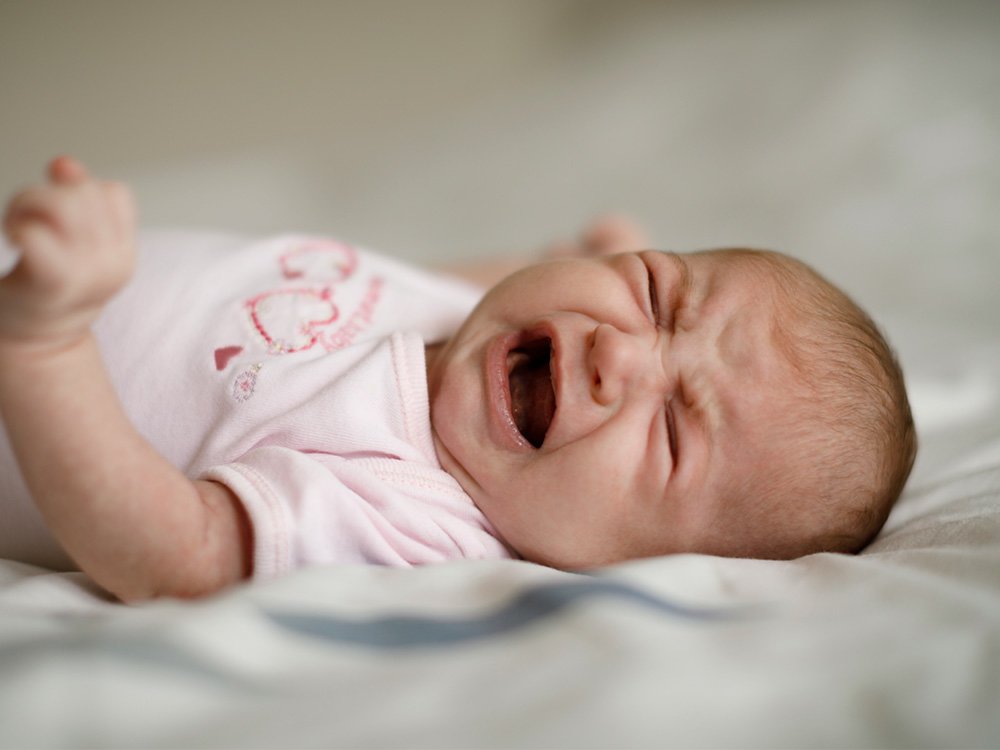
COVID-19 in children

Far fewer cases of coronavirus (covid-19) have been reported in children than in adults. Usually, the virus causes a milder illness in kids, though some children have become pretty sick.

Many parents wonder what to do if their child gets sick. Here’s what you need to know.

What Are the Signs & Symptoms of Coronavirus (COVID-19)?

COVID-19 can cause a range of symptoms, including:

  • High grade fever
  • Cough
  • trouble breathing
  • symptoms of a cold such as a sore throat, congestion, or a runny nose
  • chills
  • muscle pain
  • headache
  • a loss of taste or smell
  • nausea/vomiting
  • Diarrhea
  • tiredness

Some kids are having symptoms caused by inflammation throughout the body, sometimes several weeks after they were infected with the virus. This is called multisystem inflammatory syndrome in children. Doctors are trying to find out how these symptoms are related to coronavirus infection.

Symptoms of MIS-C can include:

  • fever 
  • belly pain
  • vomiting or diarrhea
  • neck pain
  • a rash
  • red eyes
  • feeling very tired
  • red, cracked lips
  • swollen hands or feet
  • swollen glands (lymph nodes)

Kids who are very sick with MIS-C may have trouble breathing, pain or pressure in the chest, bluish lips or face, confusion, or trouble staying awake.

Most kids with MIS-C get better after they get special care in the hospital, sometimes in the ICU (intensive care unit).

What Should you Do if your Child Has Symptoms?

Call your doctor if your child has a fever, cough, trouble breathing, sore throat, belly pain, vomiting, diarrhea, rash, dizziness, or just doesn’t feel well. If your child has been near someone with coronavirus or been in an area where lots of people have it, tell the doctor. Talk about whether your child needs a test for coronavirus. The doctor can decide whether your child:

  • can be treated at home
  • should come in for a visit

Watch for signs that your child might need more medical help. 

  • looks very sick to you
  • has breathing problems. Look for muscles pulling in between the ribs or the nostrils puffing out with each breath.
  • is confused or very sleepy
  • has chest pain
  • has cold, sweaty, pale or blotchy skin
  • is dizzy
  • has very bad belly pain

Call 911 if your child is struggling to breathe, is too out of breath to talk or walk, or turns blue or has fainted.

How Can you Keep your Family Safe if your Child Has Symptoms?

  • Keep your family home until you talk to your doctor. If the doctor thinks your child’s symptoms could be COVID-19, everyone in the household should stay home until testing is done or symptoms are gone.
  • Keep other people and pets in the house away from your child as much as possible.
  • Try to have one person only care for the sick child so others are not exposed.
  • If your child is over 2 years old and can wear a mask without finding it hard to breathe, have them wear one when the caregiver is in the room. Don’t leave your child alone while they’re wearing a mask. The caregiver also should wear one when in the same room.
  • If possible, have your sick child use a different bathroom from others. If that isn’t possible, wipe down the bathroom often.
  • Everyone in your family should wash their hands well and often. Wash with soap and water for at least 20 seconds, or use alcohol-based hand sanitizer.
  • Use regular household cleaners or wipes to clean things that get touched a lot (doorknobs, light switches, toys, remote controls, phones, etc.). Do this every day.

How Do Doctors Test People for Coronavirus (COVID-19)?

To test someone for coronavirus, doctors put a Q-tip (a swab) into the nose or mouth, then send it to a lab. If the person coughs up mucus, doctors might send that for testing too. Some areas offer drive-thru testing, which lets people stay in their car during the test. At some testing sites, people can swab themselves following directions from the health care team. People also can order special kits to do the test at home.

If you think your child has symptoms of COVID-19, call your doctor or local health department. They will give you the most up-to-date information on testing.

How Is Coronavirus (COVID-19) Treated?

There is no specific medicine for COVID-19. Most people who have it get better at home with rest, fluids, and fever-reducing medicine. Some people get very ill and need treatment in the hospital.

What Else Should you Know?

COVID-19 vaccination is now available for people 12 and older. Everyone should get vaccinated as soon as they are eligible. Studies are under way to see if the vaccines are safe and effective in younger children.

Source:

https://kidshealth.org/en/parents/coronavirus-child-is-sick.html

Developmental Delays in Toddlers

Every child grows and learns at their own pace, and the range of what’s normal is pretty wide. It’s helpful, though, to know the signs that your child might not have the skills most other kids have at their age. Doctors call those problems developmental delays.

Many delays are not serious, and most kids can catch up, especially when they get early treatment. The key is to get your child the help they need as soon as you think there’s a problem. If you wonder whether your little one is falling behind in emotional, mental, or physical growth, don’t wait to find out. Talk to their doctor right away.

Development Delays:

There are many different types. Children might have problems with:

  • Language or speech
  • Movement, or motor skills
  • Emotional and social skills
  • Thinking skills

null

What Are Developmental Delays?

There are many different types. Children might have problems with:

  • Language or speech
  • Movement, or motor skills
  • Emotional and social skills
  • Thinking skills

Language and Speech Delays

These problems are the most common type of developmental delay. They sound similar, but they’re different types of issues. Speech means the sounds that come out of a person’s mouth. Children who have a speech delay may stutter or have trouble saying words the right way.

Language refers to the meanings of sounds and gestures. Kids with language problems may have trouble expressing themselves or understanding others.

Possible causes. A delay in these skills can happen for many reasons, including:

  • Problems with a child’s tongue or the roof of their mouth, which makes it hard to form sounds and words
  •  Hearing loss. Kids who’ve had a lot of ear infection can have hearing problems.
  • A learning disability
  • A developmental disorder, such as cerebral palsy or autism spectrum disorder. 

What a parent can do

If you think your child has a problem with their speech or language, let their doctor know right away. The doctor will need to test their hearing. They’ll probably also suggest that your child see a professional who can diagnose and treat these delays, called a speech-language pathologist or speech therapist. 

To be continued…..

Different types of cries in babies

 “Writing a book is like rearing children – willpower has very little to do with it. If you have a little baby crying in the middle of the night, and if you depend only on willpower to get you out of bed to feed the baby, that baby will starve. You do it out of love.” – Annie Dillard

When an woman delivers her baby, it is not only the baby who is newborn; its the mother’s second birth also. It becomes very difficult to understand the reason when baby starts crying. Here’s are some facts about types of crying of a baby:

  • Some babies cry more than others.
  • All babies fuss and cry most in the late afternoon or early evening.
  • All babies cry more in the first three months of life than later in development.
  • Many studies have shown that during the first three months of life, the crying of babies follows a developmental pattern. This pattern is called the crying curve. Crying begins to increase at two or three weeks of age, peaks at around six to eight weeks of age, and gradually declines to the age of 12 weeks. Some other studies have shown different peaks of crying, but all studies agree that maximum crying occurs in the first three months of life.
  • Much crying in the first three months is unexplained, in the sense that it starts and ends without warning and may not respond to comforting or feeding.

Different cries have different meanings:

There is emerging consensus that babies’ cries are a graded signal, with increased pitch or intensity indicating greater distress, but not the precise cause.

Nevertheless, you will find that you are usually able to correctly guess your baby’s needs based on the sound of their cry. At about 3 months of age, crying becomes much more interactive, and the baby will use different cries to mean different things. This change coincides with the baby’s growing social competence. Here are some general guidelines about types of crying.

Hunger

The baby’s hunger cry can begin quietly and slowly, but it builds in volume, becoming loud and rhythmic. Unless you have fed your baby recently and are certain they had enough to eat, try feeding your baby.

Pain

The typical pain cry is high-pitched, tense, harsh, non-melodious, sharp, short, and loud.

Fussiness

The baby may cry in a mild, intermittent way when they are upset. Most babies have a “fussy time,” usually in the late afternoon or early evening. The sound of fussy crying differs from a hunger cry, but like the hunger cry, it can grow in volume. Some of the reasons for this type of crying can include:

  • Baby wants to be held. This is often an effective technique to quiet your baby. Newborn babies have just emerged from a confined space and may find the wide open spaces of a crib frightening.
  • A wet or soiled diaper is causing discomfort to the baby.
  • Baby is tired. Sometimes babies become frustrated when they cannot fall asleep.
  • When baby is over- or under-stimulated. Use the context to decide whether to reduce or increase interaction or environmental sources of stimulation such as music or light.

According to Dunstan, there are five basic sounds your baby makes just before crying:

Neh  – hunger

Eh – upper wind (burp)

Eairh – lower wind (gas)

Heh – discomfort (hot, cold, wet)

Owh – sleepiness

Let’s have a look into how we can interpret each different sound a baby makes:

Neh – hunger

A baby uses the sound reflex ‘Neh’ to let you know they are hungry. The sound is produced when the sucking reflex is triggered and the tongue is pushed up on the roof of the mouth.

General observation: Babies may also try to gnaw or suck at their hand or reach towards your breast (or in that general area). If your baby begins to cry, it’s rhythmic and intense. As with all cries, the sooner you can give your baby attention, the quicker they will be to soothe and settle.

Eh – upper wind (burp)

The sound reflex ‘Eh’ means a baby needs to be burped. The distress is caused by a large bubble of air trapped in the chest. The baby responds to this with an ‘Eh’ sound in an attempt to release the trapped air through their mouth.

General observation: A pained facial expression, squirming, kicking feet, shaking arms and moving hips are all indications that your baby needs to burp. Your baby may also turn away when you offer the other breast or some more bottle. It makes sense that they wouldn’t want more of what’s making them feel discomfort.

Eairh – lower wind (gas)

If a baby has flatulence or an upset tummy, they will use the sound reflex ‘Eairh’ to pass along that information. The sound comes when trapped air from a burp is unable to be released and travels to the stomach. Here the muscles of the intestines tighten to force the air bubble out. This sound may also mean that a bowel movement is in progress.

General observation: If you miss the early sounds and your baby begins to cry, the crying will be very loud, intense and rhythmic. It will last until the wind has passed. Your baby may raise their legs to their tummy, arch their back and be generally fidgety. If a bowel movement is in progress, you child will bend their knees and bring their legs towards their torso to help the process along.

Heh – discomfort (hot, cold, wet)

Babies have the sound reflex ‘Heh’ when they’re experiencing stress, discomfort or when they need a nappy change. This sound is triggered as a response to a skin reflex, such as a sweaty or itchy feeling.

General observation: When a baby feels discomfort, their crying is usually mild and intermittent. The crying may increase in volume if you ignore it, so be sure you soothe your baby and quickly determine the cause of their discomfort.

Owh – sleepiness

Babies have the sound reflex ‘Owh’ to let you know they are feeling tired. It sounds similar to a yawn.

General observation: If it’s time for a nap, your baby may start rubbing their eyes. Their cry may start out slow and low and gradually build in tone and intensity. If your baby is exhausted, their cry can resemble the hunger cry.  If you can catch the sounds before they cry, you will be able to tell the difference.

Summary:

As Priscilla Dunstan says, “Stop. Open your ears. Listen. Your baby will love you for it.”

EARLY CHILDHOOD EDUCATION

A Brief Introduction to Early Childhood Education:

Early childhood education is a concept that applies very effectively to children under the general school era. It is based on the belief that the children learn through drama, the reason that the basic things are integrated into the game and teach children. The developer, Jane Piaget, the young children and older people from here, learn more effectively by the game. Many activities are especially effective like art, social games and dramatic game to raise awareness of this child’s interest and curiosity and to make a confession of trust and social thought.

What is Early Childhood Education?

Early childhood education describes the period of learning that takes place from birth to 8 years old. There are several types of early education programs, including those that are federal, state or privately funded. The curricula and approach often vary at the preschool level, but there are generally agreed-upon standards for the types of learning addressed in early childhood education settings.

The reality is that most of the toys and equipment used in early childcare education are general things that can be seen in the house or its replicas. This actually encourages children to look at things from home differently, as well as encourage these things to introduce and encourage everyday life. Faith and children are able to come out of the outside and expand their minds and imaginations. Although there is no formal education for this course, some school and daycare centers teach formal lessons to give feet to their children before entering nursery or kindergarten. Parents are encouraged to learn as skilled as possible without the pressure of formal education.

Who can provide Early Childhood Education?

1. Preschool teacher
2. Elementary school teacher/ kindergarten
3. School counselor
4. Childcare center director
5. Nanny

Early Childhood Education work places:

Commonly, early childhood educators will work within a school setting but can work from care centers or private residences. Listed below are potential workplaces for early childhood education professionals.

  1. Public Schools
  2. Private Schools
  3. Special Education
  4. Kindergarten Centers
  5. Daycare
  6. In-Home Nanny

What is the purpose of Early Childhood Education?

Early childhood education is similar to a training program given to young children. During class, children will gain the social, emotional, physical and cognitive development needed in order to help them have a brighter future. If done right, early childhood education can help in developing a lifelong love of learning in children.

What are the benefits of Early Childhood Education?

The young mind is like a sponge. It has the potential to absorb a great deal of information, making it important for children to have guidance while learning. There are many aspects related to early childhood education, here we  have listed out the many benefits:

  • Improved social skills: Children learn to engage better with other children and adults. The preschool environment allows children to acquire vital skills that allow them to listen to others and express their own ideas, make friends, share, cooperate, and become accountable for their actions.
  • Better performance in grade school: Children who receive early education are known to have a reduced need for special education instruction in elementary school and beyond. Quality preschool programs help to build a strong foundation for the child’s physical, mental, emotional, and social development that prepare them for a lifetime.
  • Holistic development: As a human being, it is important to have a strong foundation in every aspect of the personality such as emotional, social, mental and physical. Teachers who handle young children are well trained to identify the weaker aspects of a child and to encourage them to improve through practical sessions. Interaction amongst peers is extremely important in this context.
  • Improved attention spans: Children are inclined to be curious and interested in discovering new things. Quality early childhood programs maximize opportunities for the discovery of new experiences, new environments, and new friends, while maintaining a balance with the ability to listen, participate in group tasks, follow directions, and work independently, all of which develop the vital life skill of concentration.
  • Enthusiasm for lifelong learning: Children who receive quality early childhood education are reportedly more confident and curious, which causes them to perform better in grade school. Children learn how to manage challenges and build resilience in times of difficulty, settle easily at school to reap the benefits of education faster, and acquire a long-term interest in learning different things, including playing music, dancing, singing, construction, cooking, etc.
  • Team work: A person’s teamwork capability is based on their respect for others opinions, listening skills and mentality towards equality. All these qualities should be taught at a young age. Many preschool activities are focused on teamwork and help children improve their attitude towards working as a team.

Each new word, experience and person can mould a young child into the person they will grow up to be. This is because it is possible to have a greater impression on a person during their early childhood days. Most parents understand this and give early childhood education the importance it is due.

Moreover, studies have shown that early childhood education preschool programs increase the likelihood of children graduating from high school with fewer behavioural issues, attending college, and becoming responsible young adults.

Recent studies reveal the importance of early childhood education as it can influence the mental, emotional and physical development of a child. Hence for increasing the quality of the education of your child, ensure early childhood education. So always make sure that they start off early so it doesn’t become a problem in the future.

Does your kid needs special education?

What Is Special Education?

Many kids with special needs qualify for extra help in school. A child who has a problem that makes it harder to learn might be able to get:

When a child has these services, it’s called “special education.” To qualify for special education, kids need to be tested.

If you’re concerned about your child’s ability to learn, don’t delay testing. The sooner kids get the help needed, the more likely they’ll succeed in school.

What disabilities are covered by special education?

IDEA covers 13 types of disabilities. These categories include autism, hearing impairment and intellectual disability (which used to be referred to as “mental retardation”). Another category, called “ specific learning disability,” applies to many kids who have learning and thinking differences.

A specific learning disability most often affects skills in reading, writing, listening, speaking, reasoning and doing math. Common learning differences in this category include:

  • Dyslexia: Difficulty with reading, writing, spelling, speaking
  • Dyscalculia: Difficulty doing math problems, understanding time and money, remembering math facts
  • Dysgraphia: Difficulty with handwriting, spelling, organizing ideas
  • Dyspraxia: Difficulty with hand-eye coordination, balance, fine motor skills
  • Auditory processing disorder: Difficulty interpreting what the ear hears (which is different from having a hearing impairment)
  • Visual processing issues: Difficulty interpreting what the eye sees (which is different from having a visual impairment)

What strategies help special education students in the general education classroom?

Federal law says that students with learning disabilities should be educated alongside their non-disabled peers “to the maximum extent possible.” According to a 2014 report by the National Center for Learning Disabilities66 percent of students with learning disabilities spend 80 percent or more of their school day in general education classrooms. That’s a big increase from 47 percent a decade ago.

Schools use many strategies to help students receiving special education services succeed in general education settings. These strategies include:

  • Assistive technology such as providing a laptop to help a student with a writing disability take notes in class
  • Accommodations such as seating the student near the teacher (and far from distractions) or allowing him to give oral reports instead of writing essays
  • Modifications such as reducing the amount of homework a student is assigned
  • Paraprofessionals who serve as teachers’ aides helping students with various tasks such as taking notes and highlighting important information.

Special education needs basically refers to a range of educational and social services catered by the public school system and other educational institutions to those children who are born with disabilities and who are between 3 to 21 years of age. A lot of websites on the Internet will provide you with the description of the different types of special education needs in classrooms and services that are available in schools today and how your special need child can be benefited from them. Special education program is designed to make sure that the students with disabilities are getting an environment which allows them to be educated effectively. Disabilities which qualify for special education needs are given as follows:- physical disabilities such as deafness or blindness; mental disabilities such as Down’s syndrome and autism; medical conditions such as oxygen dependence of traumatic brain injury, learning deficits such as dyslexia and behavioral disorder such as attention deficit hyperactivity disorder and conduct disorder.

There are SEN teachers for special children who teach students who have physical, cognitive, language, learning, sensory, emotional abilities that are different from the normal population. Special educators facilitate such instruction or teaching methods which are specially designed to meet the individualized needs of the children. These teachers are trained to make the process of education easily available and accessible to those children who are devoid of basic education due to their physical disabilities they are struggling with. The basic motive of special education is to provide access to free education to special need children in the public school system. Special education need system assumes that every special need child is capable of being successful. Each child will succeed according to his or her abilities. The special education focuses on enhancing the child’s strengths and show support towards their weaknesses. Teachers let each student feel and know that they believe in him or her. The rewards of such education cannot be described in words for both the child and the teacher.

Types of Special Education Needs for Children in School

Cognition and Learning Needs

Children and young people for whom learning, thinking and understanding is much harder than most of the other students. Some of the things which are found to be difficult for such children are:-

  1. Taking longer time to learn necessary or important skills.
  2. Finding it difficult to recall or memorize things such as the crucial words for reading and time tables.
  3. Finding it difficult to understand how to use letter sounds to read and spell words.
  4. Requiring more time than normal to think and tell the answers for any question.
cognition and learning

Communication and Interaction Needs

Such requirements are for those children who find it difficult to interact and communicate with people around them or with the world. These needs are also called speech, language & communication needs (SLCN). Some of those things which children or young people with such difficulty might find difficult are:-

  1. Communicating with other students or adults, especially when in a group.
  2. Talking about something which they haven’t already chosen to talk about.
  3. Making new friends or keeping the old ones for a long time.
  4. Dealing with changes in the way of doing things that they use to do.
  5. Dealing with noises, smells or other sensations which occur around them or happen with them.

Conclusion: –

These children with special education needs can also cope with the curriculum requirements but they need extra help and support. They might have hearing impairments, autism at mild ranges within the spectrum, hyperactivity etc but they can be dealt with love and support. 

Healthy snacks recipe (Punjabi Samosas)

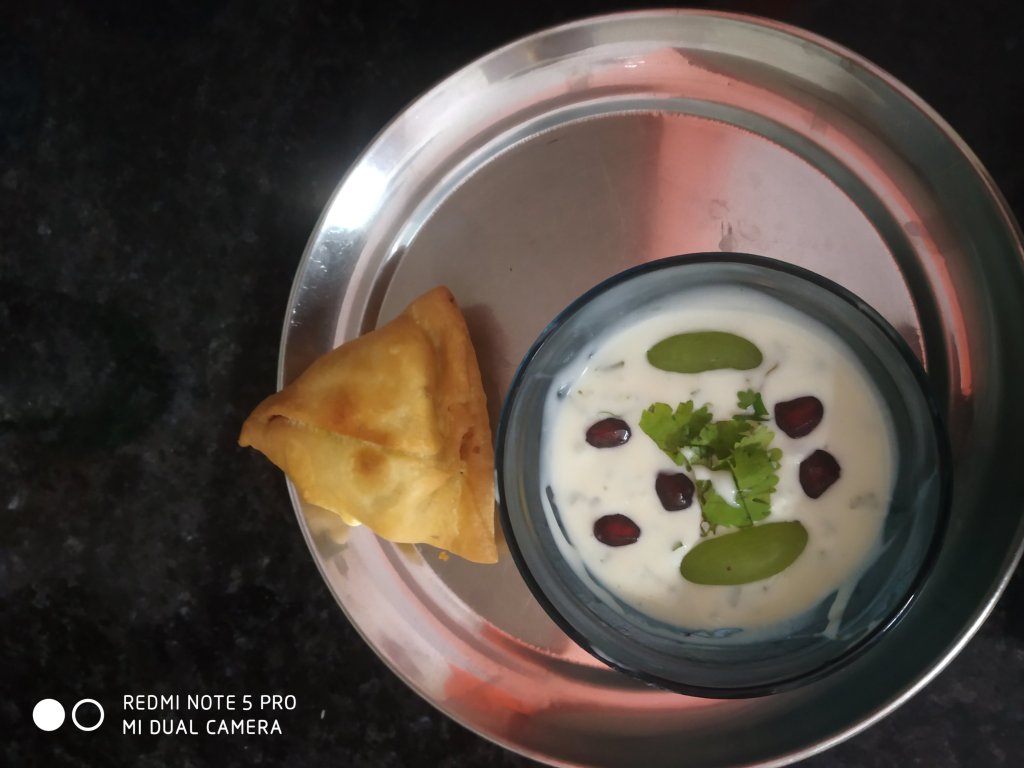
Punjabi Samosa is as traditional as it gets, potato-pea stuffing and all. It’s crispy and flaky and spicy and, to cut a long ode short, just as a samosa was meant to be by the genius who invented this hand-held snack synonymous with Indian cuisine, restaurant appetizers, and rainy days.

Samosas can be made in different versions. But today I am making for kids so it should be healthy enough to provide energy and nutrition. So, todays mini Samosas are full of veggies, health and taste.

Ise kehte hain, health bhi taste bhi…

One of the things to keep in mind, if you want that perfect flaky wrapper, is that the temperature of your frying oil has to be at 300 degrees Fahrenheit. The samosas should bubble just lightly when dropped in the oil. This ensures that the wrappers fry up all crispy and golden brown and flaky, and not soggy and clogged with oil. Peanut oil would be traditional to fry these, but if you don’t have that, use any other unflavored variety that you like, like avocado oil. Do not use coconut oil because its strong flavor will change the taste of your samosas.

Once made, the samosas will probably disappear in minutes (as they do in our home), but if you are wondering, they will last about a week in the refrigerator in an airtight container.

Lets get started :

Ingredients:

For samosa wraps:

Whole wheatAtta 1 cup

All purpose flour 1 cup

Ajwain ( carom seeds) 1 tsp

Vegetable oil 1 tsp

Salt 3/4 tsp

For stuffing:

Boiled potatoes-4

Green onion- 1

Broccoli – 2-3tsp

Home made paneer -2 tsp

Coriander leaves – handful

Cumin seeds 1 tsp

Coriander powder 2 tsp

Turmeric powder 1/2 tsp

Chaat masala 1 tsp

Black pepper powder 1 tsp

Salt to taste

Vegetable oil for deep frying

Instructions:

Make dough for samosa wraps:

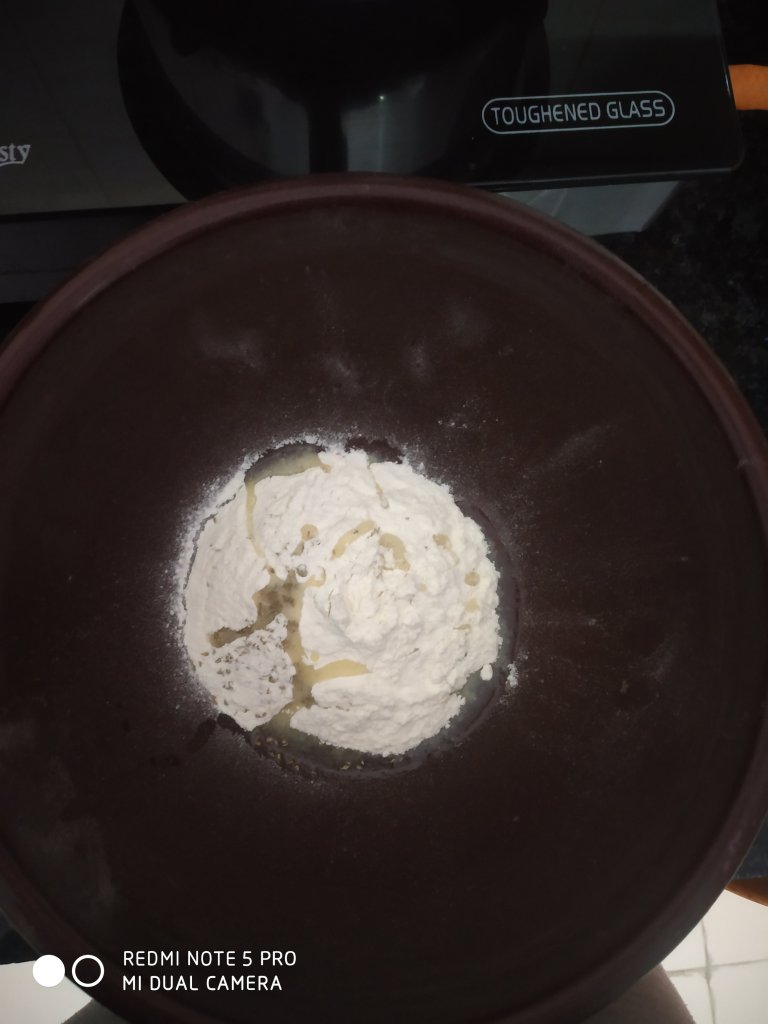
  • Mix the flour, carom seeds, oil and salt in a large bowl.
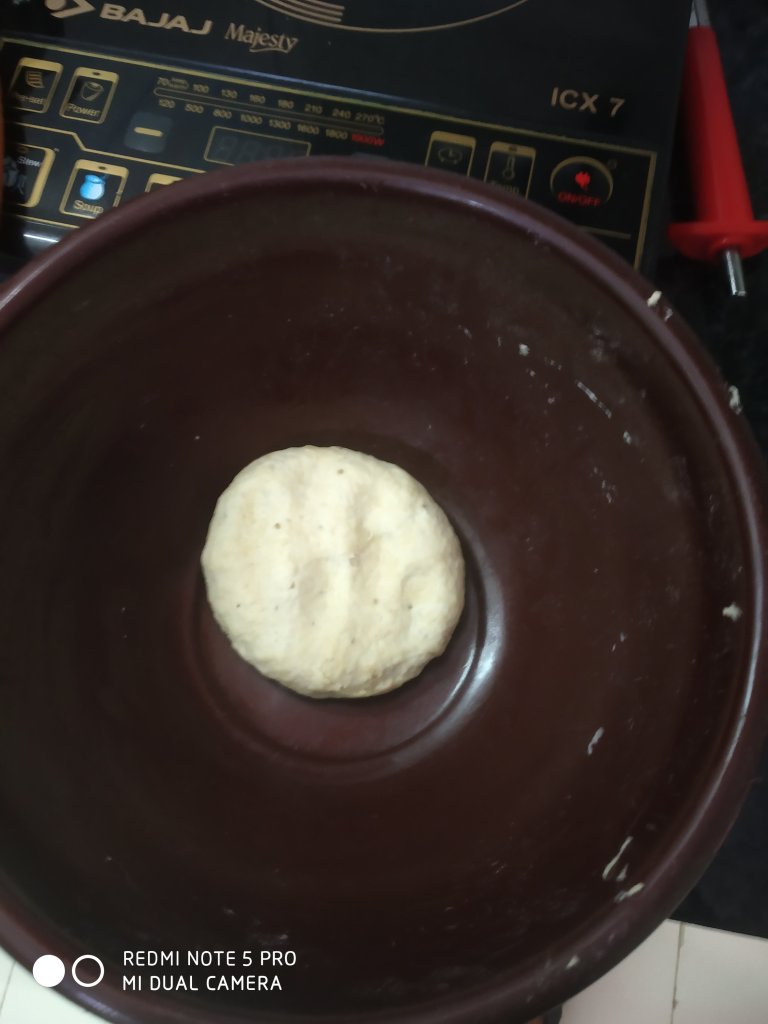
  • Add water, half a cup at first and then a tablespoon at a time, and knead until you have a very stiff dough. You want to be very sure your dough is very stiff and not soft. Cover the dough and set aside while you make the filling.
  • Crumble the potatoes with your fingers so you have a few lumps — you don’t want to mash these like you would if you were making mashed potatoes. You want some texture in here.

  • Heat the oil.
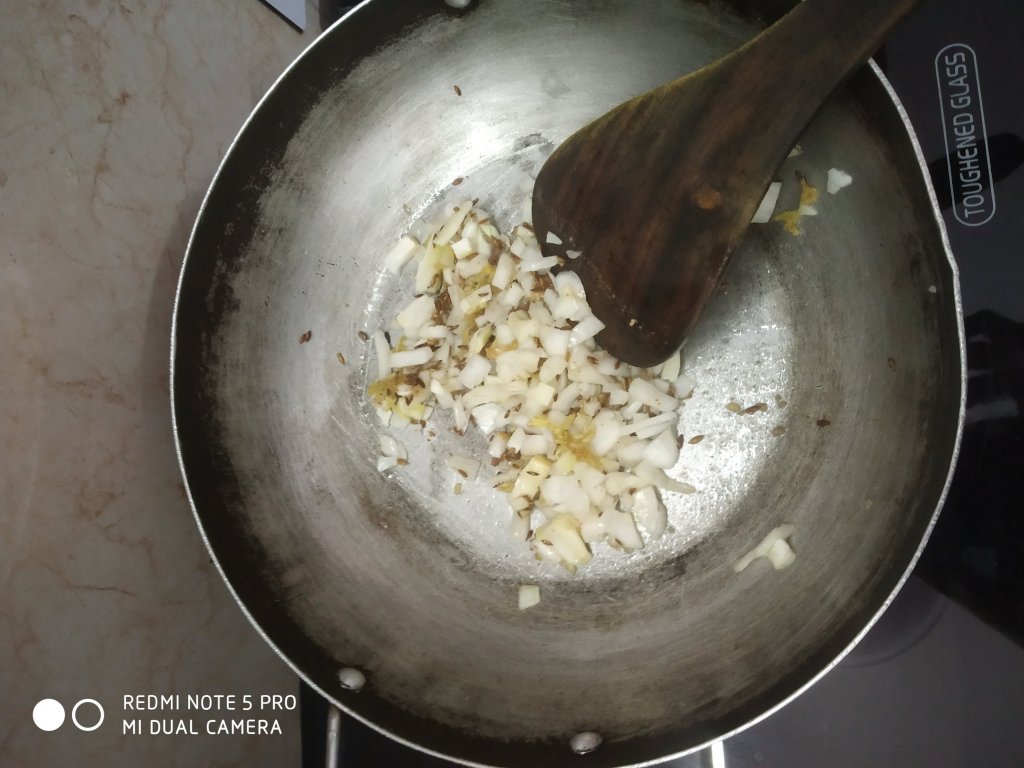
  • Add the cumin seeds and, as they start to brown, add the ginger.
  • Then add onions and sauté them lightly.
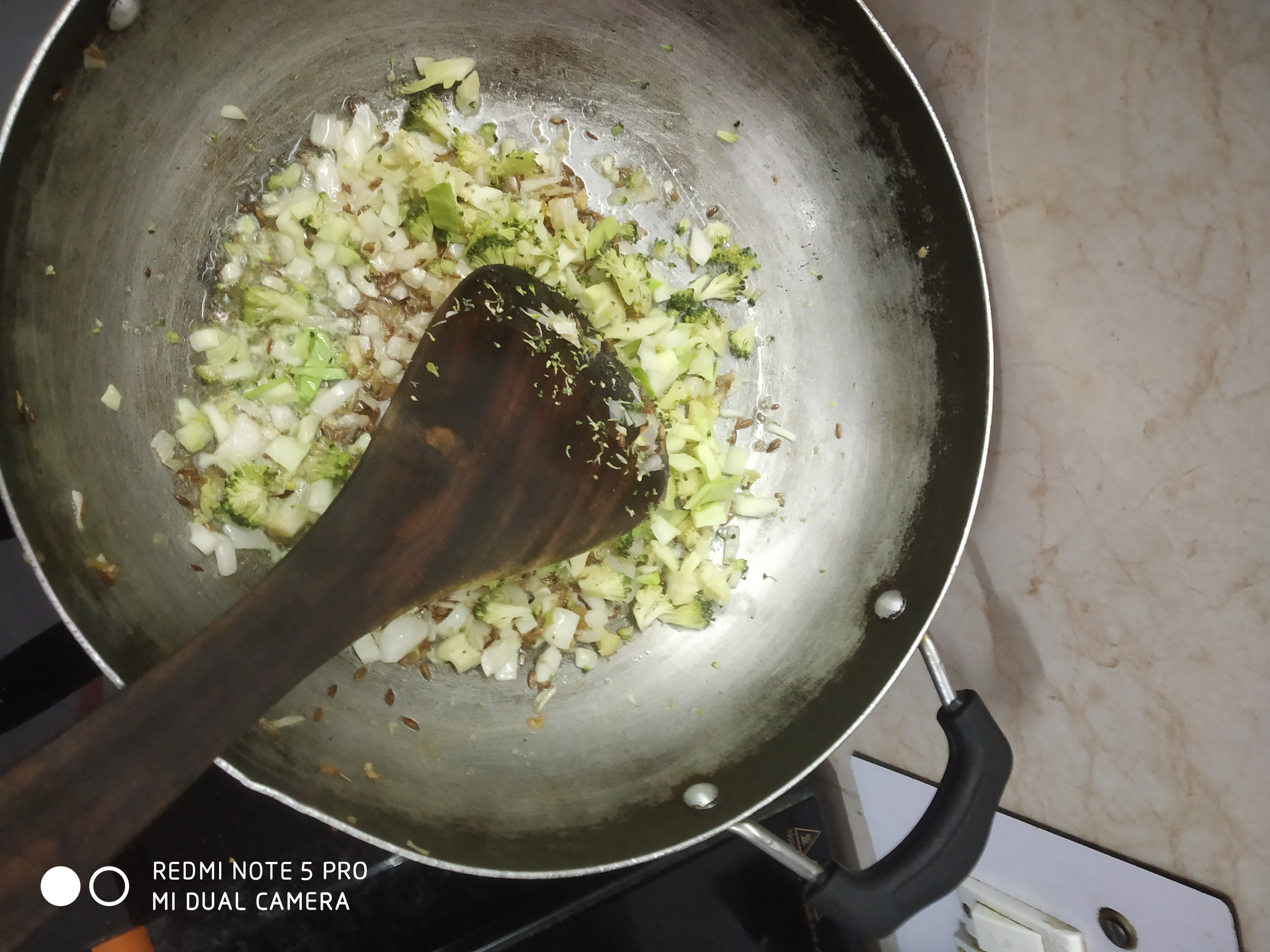
  • Saute the ginger for 30 seconds, then add the broccoli and home made paneer. Saute for a few seconds.
  • Add coriander leaves and sauté for few seconds.
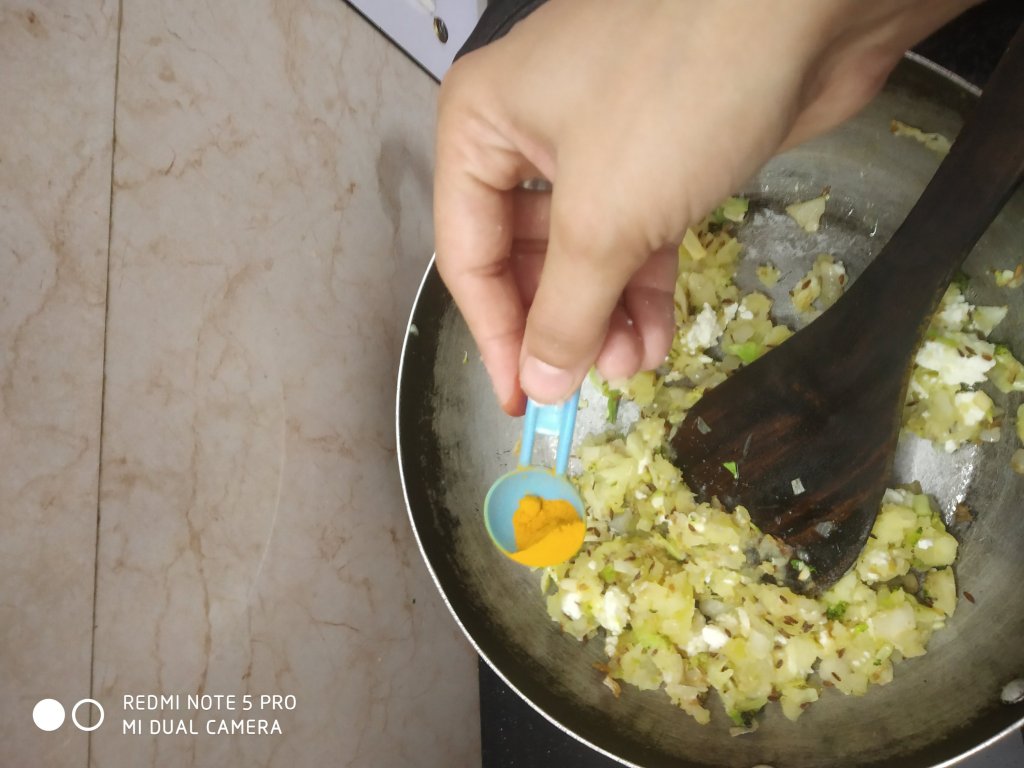
  • Add the coriander powder, turmeric, black pepper and chaat masala (or lemon juice if you’re using that instead). Stir to mix.
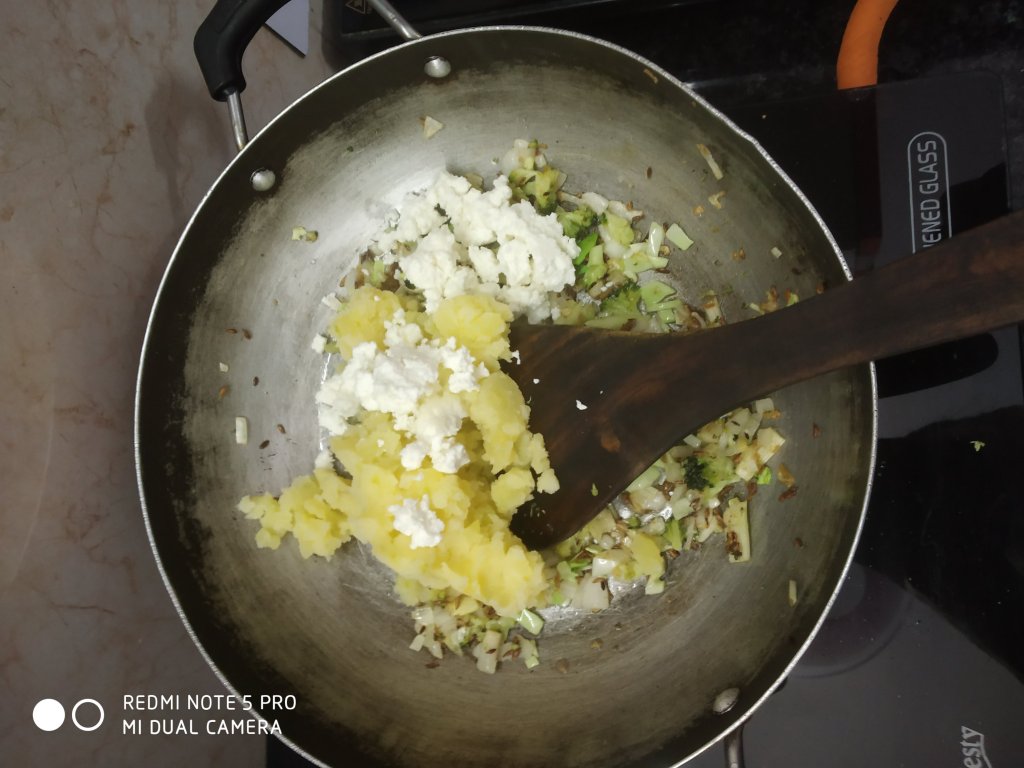
  • Add the potatoes and mix well.
  • Add salt to taste ft. Turn off the heat and let the filling cool slightly.

Samosa wraps:

  • Divide the dough into equal balls.
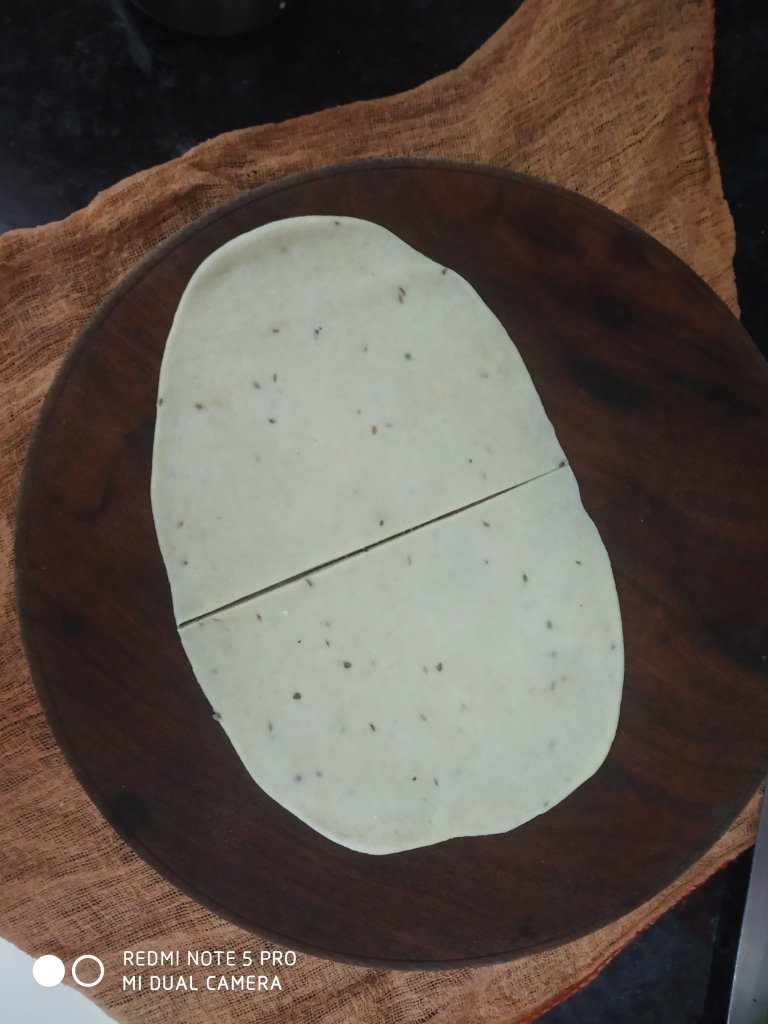
  • Roll out each ball into an oval, about six inches long and four inches wide. Use some oil to coat the countertop if needed to keep the dough from sticking.
  • Using a sharp knife, cut across the long side of the oval to create two semicircular pieces.
  • Coat the edges of each semicircle with water.
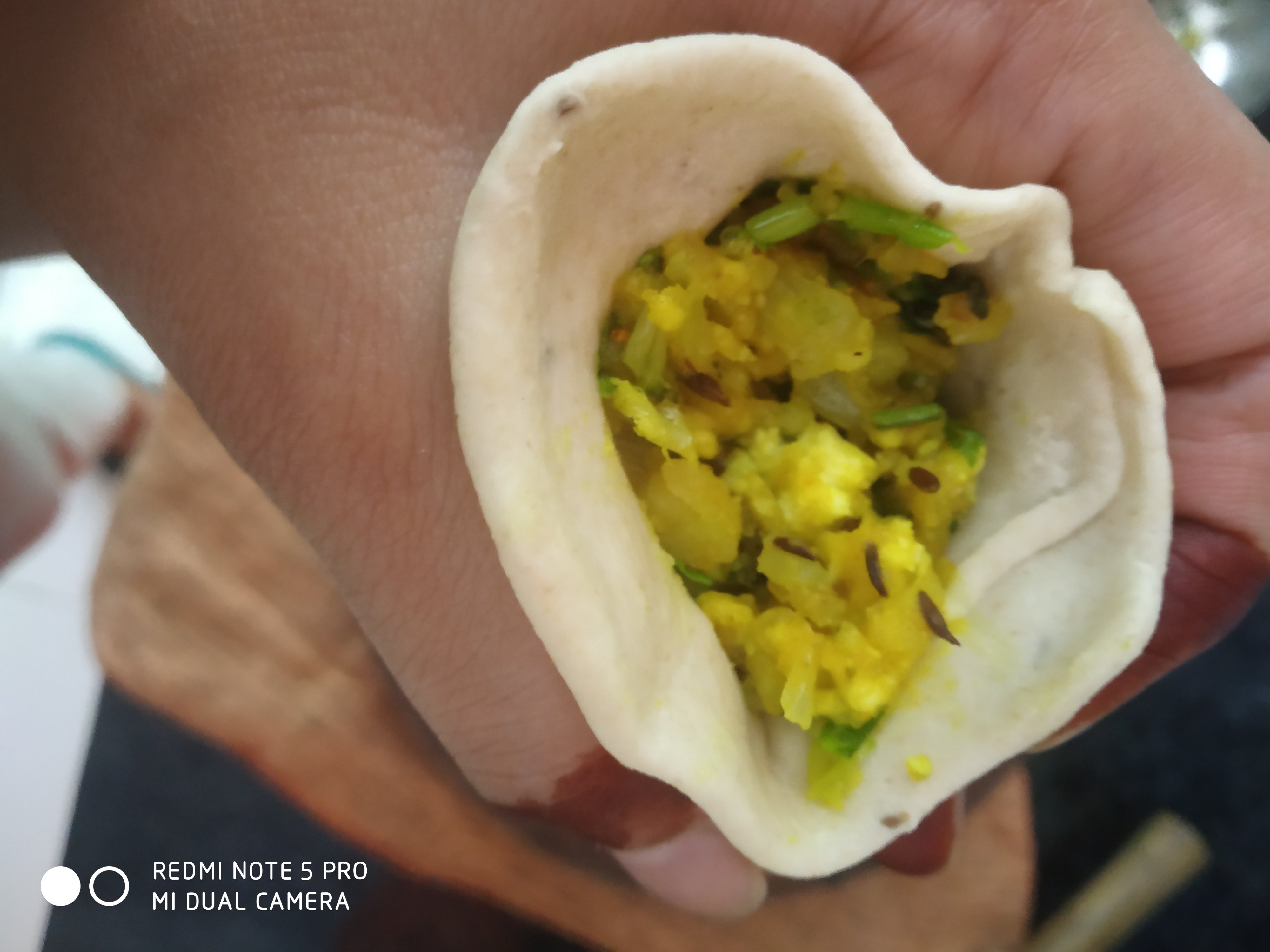
  • Pick the two corners of the semicircle and bring them together, edges overlapping slightly, to form a cone. Press down on the seam to stick it. It’s important to do this thoroughly because you don’t want your samosas to open while you’re frying them.
  • Inside the cone, place a few teaspoons of the filling.
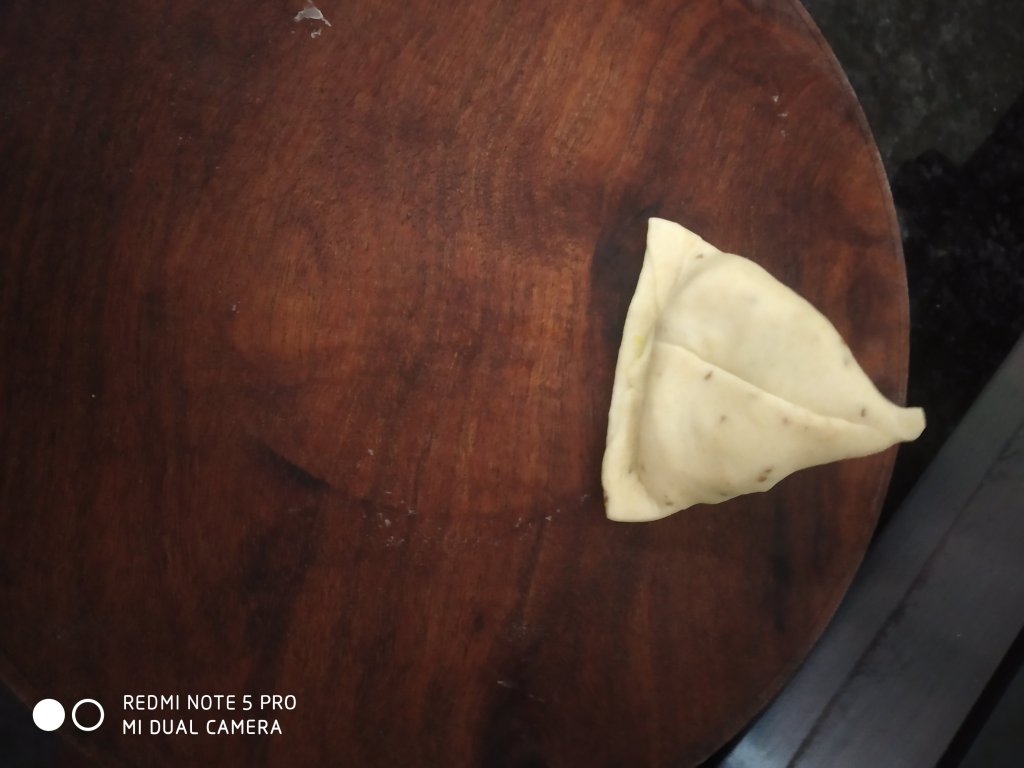
  • Now seal the top of the samosa by pressing the top seam together and back.
  • Repeat for remaining samosas.
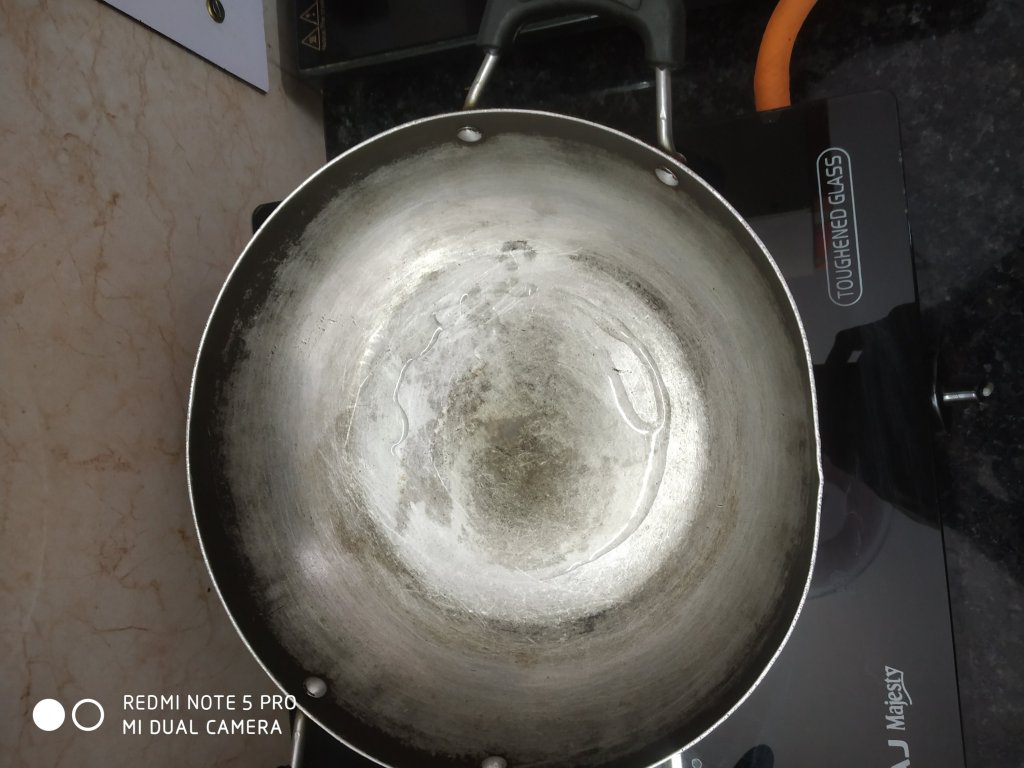
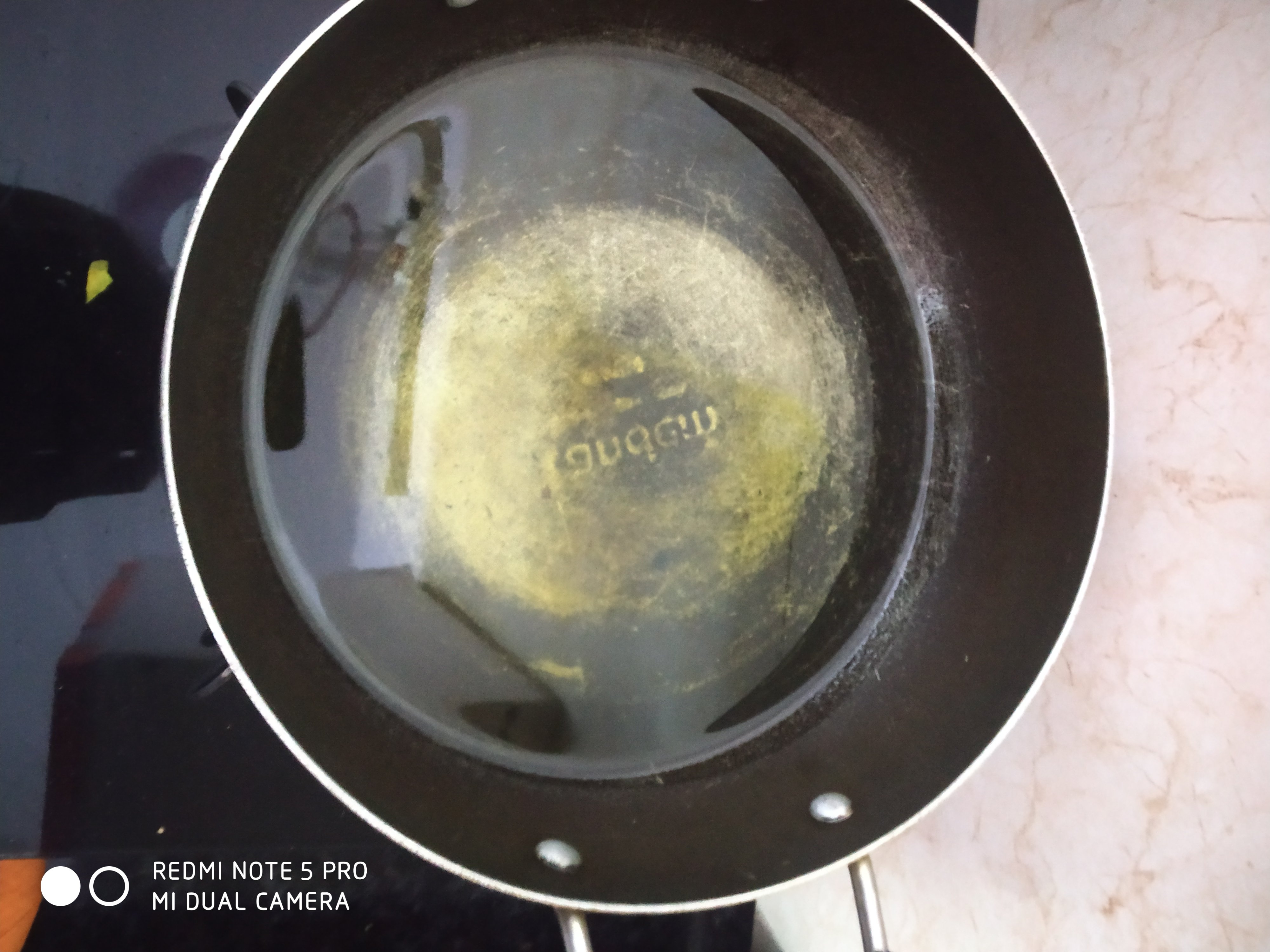
  • In a wok or a frying pan, heat three inches of oil.
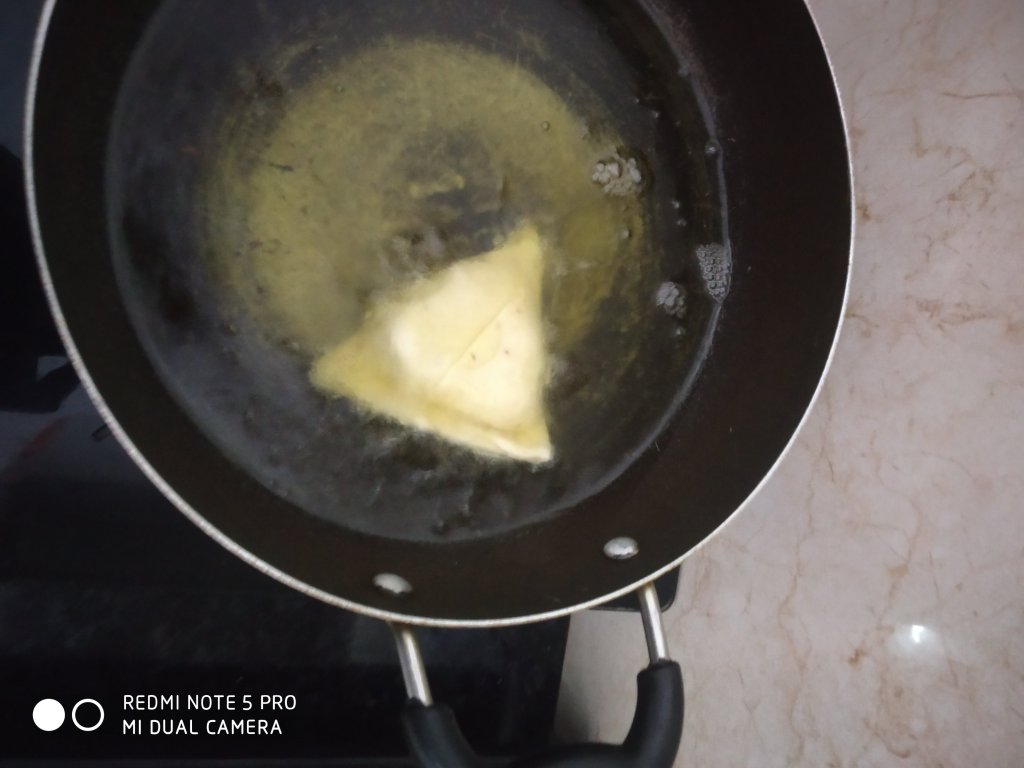
  • When the oil reaches 300 degrees Fahrenheit, drop the samosas, one at a time, taking care not to crowd the pan or you’ll end up bringing the oil temperature down very fast.
  • Fry the samosas, turning over occasionally, until they are golden-brown.

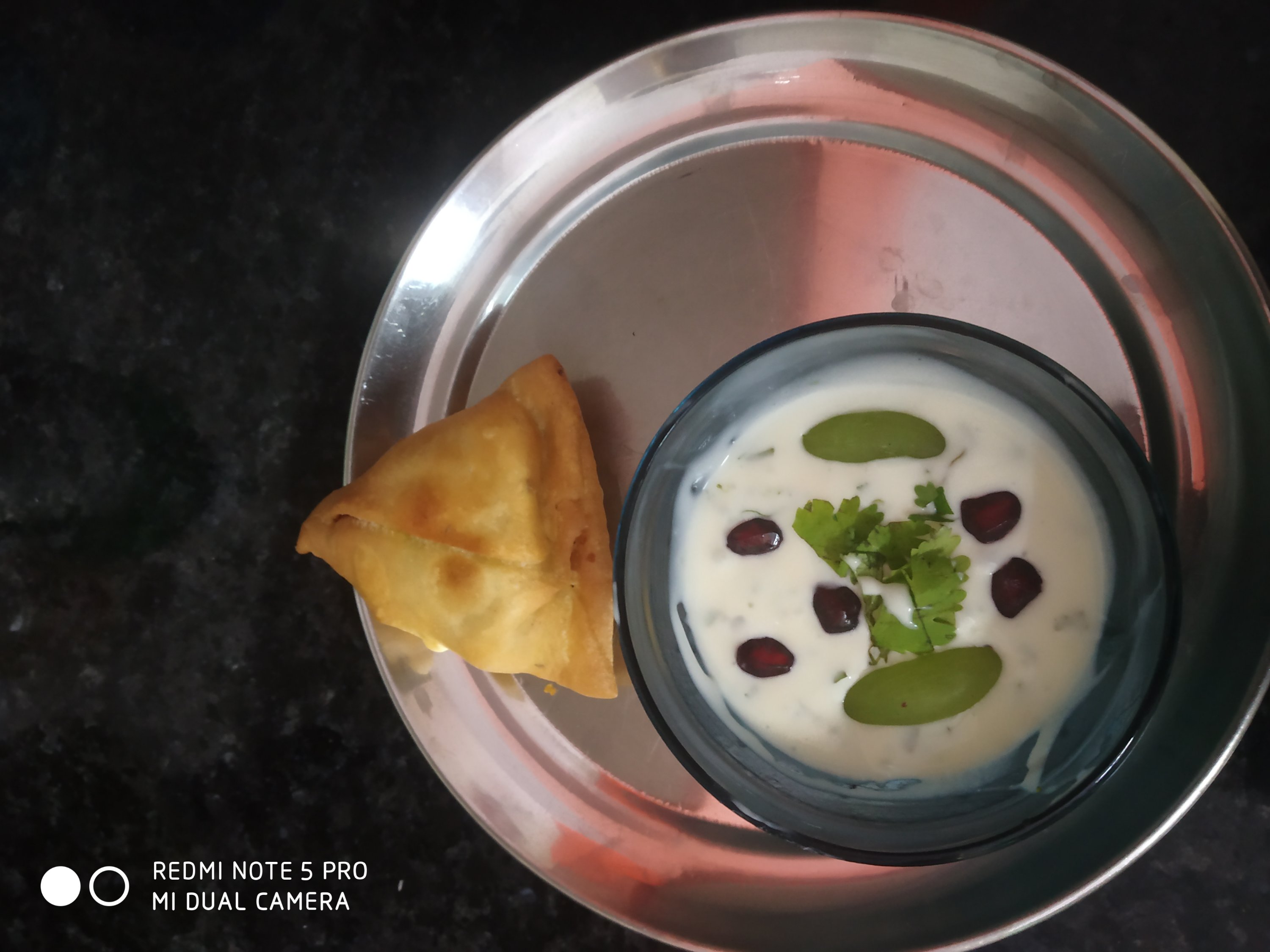
And, punjabi Samosas are ready to serve for your kids.

IMPORTANCE OF OUTDOOR PLAY

“You can learn more about a person in an hour of play than in a year of conversation.” So true. You see their true self, their spirit of adventure, sense of humor and how they relate to others.

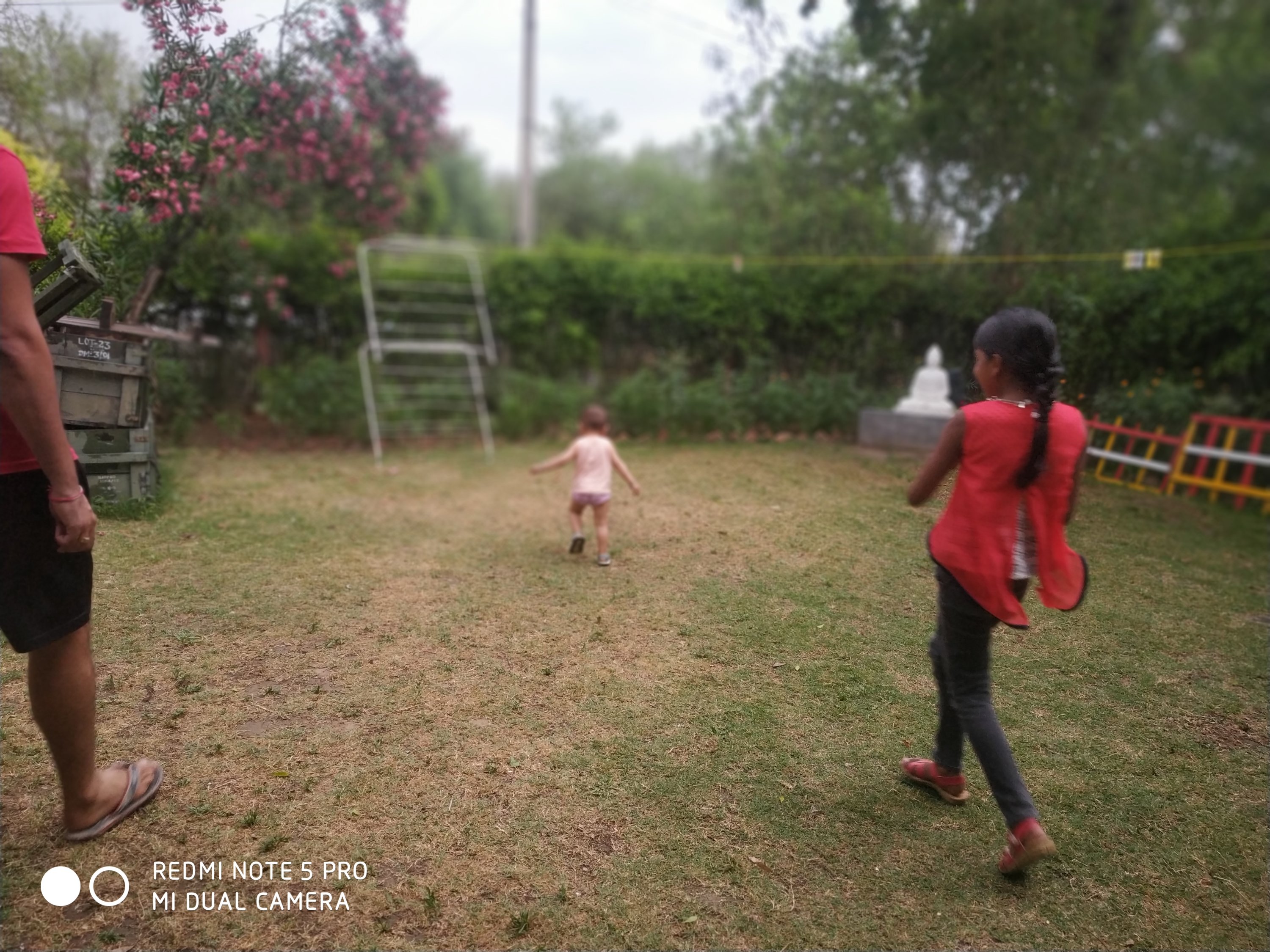
As being a mother of 20 months old baby boy, I feel that outdoor play is very much important for kids. In the era of technology, we are neglecting the outdoor plays and activities and giving a mobile or tablets to our children. This is not good for their brain health. Mobile is snatching children’s curiosity, brain health.

What is outdoor play?

Playing outdoors is one of the things that characterize childhood, giving children the opportunity to explore, discover, practice, wonder, change, create, and learn about the world around them. Children’s basic needs for freedom, adventure, risk taking, experimentation, and just being children are enhanced by outdoor environments. Children can express themselves with more active movement, louder voices, messier activities, and more rough and tumble play in outdoor settings.

Getting your child into outdoor play: ideas

It’s a good idea to encourage your child to play outside several times a day.

Outdoor play doesn’t have to be a big deal, particularly if you have an outdoor space at your home. Especially with older children, sometimes all you need to do is send them out the door and let them come up with their own games. When younger children are playing outside, though, they need your help to stay safe around outdoor hazards.

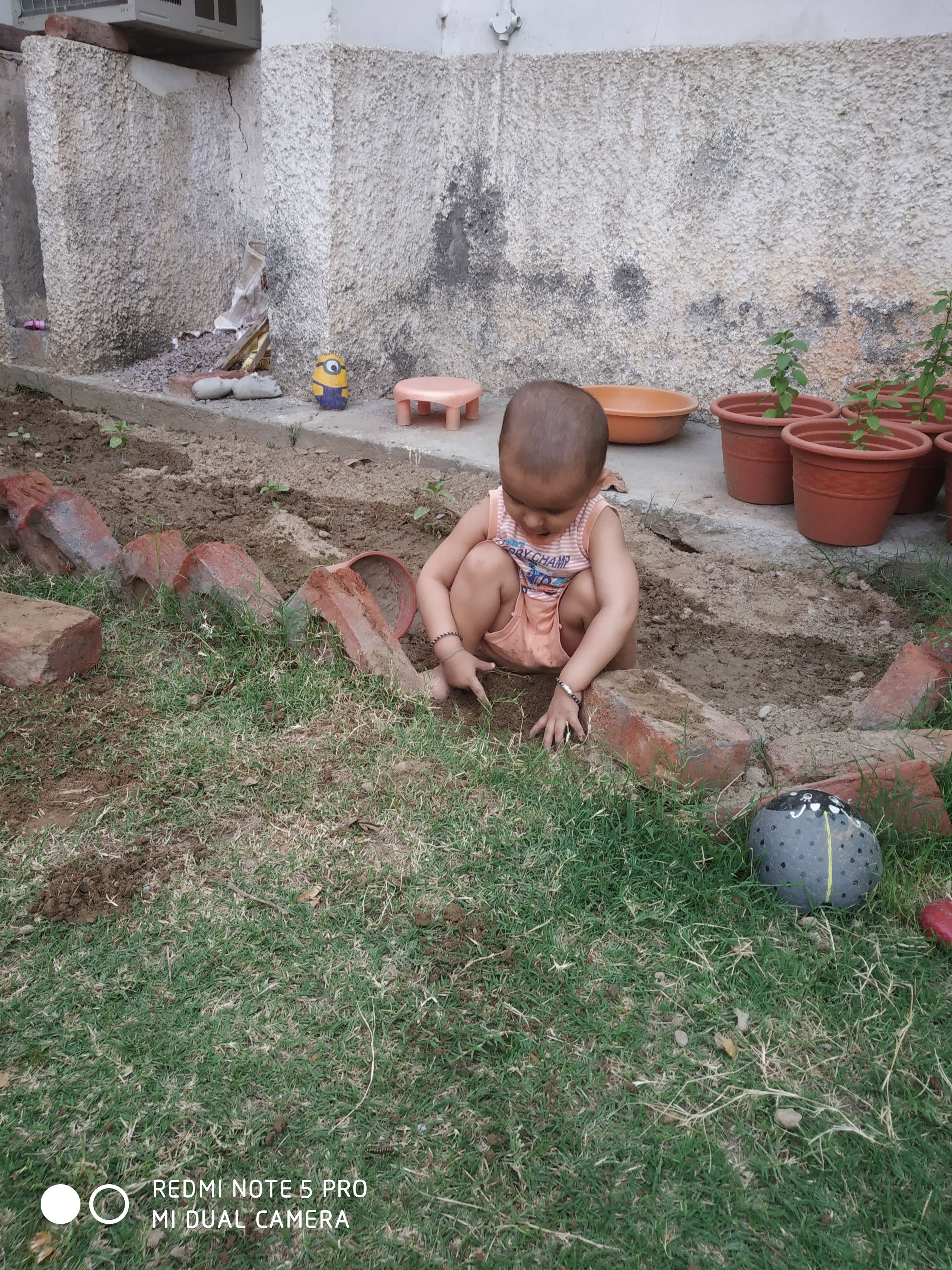
Many younger children love to ‘help’. This means that outdoor play can include working with your child on everyday tasks like weeding, sweeping the driveway, watering vegetables or hanging clothes on the line. Specially, my son love to do gardening.

Making time to visit your local park, oval or playground is a low-cost and easy option, especially if you don’t have a yard. Your child will probably have even more room to run around there and might meet other children. There are lot many options like swings, running, making new friends etc.

If you can walk to the park, you can also teach your child about road and safety rules on the way. Even younger children can get out of the stroller and walk for a little while. Walking together shows that you value and enjoy outdoor activity too. Other outdoor, active transport activities include riding bicycle, scooter.

As your child gets older, you could encourage him/ her to try a structured outdoor activity like junior sport.

The Purpose of Outdoor Play:

There is a critical need to develop a disposition for outdoor physical activities in our young children”.

There are two fundamental reasons why outdoor play is critical for young children in our early childhood programs and schools.

First, many of the developmental tasks that children must achieve—exploring, risk-taking, fine and gross motor development and the absorption of vast amounts of basic knowledge—can be most effectively learned through outdoor play.

Second, our culture is taking outdoor play away from young children through excessive TV and computer use, unsafe neighborhoods, busy and tired parents, educational accountability, elimination of school recess, and academic standards that push more and more developmentally inappropriate academics into our early childhood programs, thus taking time away from play.

So, the purpose of playing outdoor games may be:

1. To maintain physical health

2. Enjoyment of outdoor games

3. Learning about the world

4. Learning about self and environment

Outdoor play for different ages:

Outdoor play helps your baby learn about different surroundings and can make him feel more comfortable with the world around him. Some ideas for outdoor play with your baby include:

  • enjoying tummy time on a blanket, towel or picnic rug
  • crawling on grass, under outdoor furniture or through old boxes
  • watching tree leaves and branches move and listening to birds
  • looking at different coloured cars, street signs or traffic light signals.

Toddlers are keen to explore the world around them and test out their growing physical skills. Outdoor play for your toddler might include:

  • Throwing and chasing balls
  • wheeling, pushing or pulling different toys and objects
  • walking, running or jumping around trees, over stones or cracks in the footpath, into puddles or towards favourite objects
  • blowing bubbles and chasing them as they float away
  • playing in sand, mud or small amounts of water – but keep an eye while playing with water to prevent drowning accidents.

Preschoolers are learning to play with other children. They also like make-believe. You can help your child make the most of this stage with outdoor play ideas like:

  • playing games of chasey, hide-and-seek or kick-to-kick
  • crawling through tunnels or climbing over fallen trees
  • moving in different ways with colourful leaves, flowers, scarves or streamers
  • making mud pies with dirt and old cooking utensils
  • going on a nature walk together and naming all of the different sounds you hear
  • building a cubby house out of boxes, clothes baskets or outdoor play equipment or furniture.

Your school-age child is becoming more involved in structured play, like sport, but it’s still important to make time for free play outside. At this age, children still enjoy:

  • building and creating with equipment, furniture or other things they find outside
  • playing tiggy, chasey or tag
  • climbing trees.

Bumps and bruises when playing outside:

It’s natural to worry that your child could hurt himself/herself when playing outside. Sometimes your child might be worried about trying something new. This is all a normal part of outdoor play, and these worries shouldn’t keep your child from playing outside.

It’s ok for your child to push the play boundaries outside, where he has room to run faster, climb higher and jump further.

It might mean some tears, a scrape or a fall, but ‘risky play’ helps your child learn from mistakes and bounce back.

Children who have been kept away from these outdoor experiences are more likely to get seriously hurt when they have outdoor experiences.

Summary:

  • Outdoor play is good for your child’s physical health, development and self-confidence. It’s great fun too!
  • Encourage your child to play outside several times a day.
  • Outdoor play ideas include tummy time, ball play, nature walks, bike rides and more.

Eating disorders in children

Eating disorders are like a gun that’s formed by genetics, loaded by a culture and family ideals and triggered by unbearable distress.

When it comes to eating disorder in children, early detection and prevention are key. Here, we take a closer look at the warning signs you should be looking out for.

Most people think of teenagers or young adults when they think of eating disorders, but they can affect young children as well. The rates of eating disorders among young girls and boys under 12 have been growing in recent years, so it is important for parents and anyone who works with young children to recognize the signs. Physical growth is such an important component of childhood, and eating disorders can cause significant damage to a child’s body.

What are eating disorders?

Eating disorders are mental health conditions marked by an obsession with food or body shape. They can affect anyone but are most prevalent among young women.

What causes eating disorders?

Eating disorders can be heritable, so if a parent, sibling, or another relative of a child has an eating disorder, they are 7-12 times more likely to develop one than a child who does not. Children diagnosed with chronic illness are also at higher risk, particularly those diagnosed with insulin-dependent diabetes mellitus.Children who struggle with depression, anxiety, and other mental illness may also be at increased risk. If we want to summarize then eating disorders may be caused by several factors. These include genetics, brain biology, personality traits, and cultural ideals.

Common Types of Eating Disorders in Children

Avoidant/Restrictive Food Intake Disorder (ARFID)

It is a common eating disorder experienced by young children. Children with this disorder experience a disturbance in their eating which can include a lack of interest in food or a sensory aversion to certain foods. For example, a child might be averse to swallowing or the texture of foods they once enjoyed. They might also fear of getting stomach aches or vomiting if they became sick because of a certain food. These aversions and restrictions can lead to weight loss and nutritional deficiency among young children.

Pica

It is a type of condition where a child might eat non-food or non-nutritional substances persistently. To be diagnosed with pica, the behavior must fall outside of the child’s expected developmental level (i.e. an infant who chews on objects would not qualify). These substances often include dirt, soap, chalk, sand, ice, and hair.

Anorexia nervosa

It can affect both young girls and boys. Children with anorexia think they are overweight when they seem very underweight to other people. Children might obsess about their food intake and with how to control their weight. They might exercise intensively or binge and then purge. Anorexia can cause significant damage to physical health and growth, so it is important to seek treatment as soon as possible for a child.

Silent Signs of Eating Disorders in Children:

1. Abnormal weight changes

2. Avoidance of family meals

3. Missing food in home

4. Specific food adoption

5. Increase in physical activities

6. Sudden interest in cooking

7. Increased focus on appearance

Signs of a more developed eating disorder can include:

  • Refraining from eating
  • Reducing food portions
  • Weight loss
  • Lack of growth
  • Thinning of hair
  • Delay of puberty
  • Constipation or digestion problems
  • Hiding or hoarding food
  • Mood swings
  • Fine hair growth on the body

What if my child is having eating disorders?

If you think your child has an eating disorder:

Get help early. When an eating disorder is caught early, a person has a better chance of recovery. Make an appointment with your child’s doctor or an eating disorders specialist.

Talk to your child about your concerns. Be calm, direct, and caring. Let them know you will help. Ask them to tell you what it’s like for them.

Go to all appointments. Treatment takes time and effort. Work with the care team to get the help your child needs. Ask questions any time you have them.

Be patient and supportive. Learn what you can do to help your child. Try to keep your relationship with your child strong and positive. Make time to listen, talk, and do things that you both enjoy.

Why sleep is important for children?

From the day 1 of my delivery, I noticed that my baby doesn’t sleep much neither in night nor in the day. He takes few minutes nap and feels so fresh. Due to lack of sleep, he sometimes becomes cranky and doesn’t show much interest in playing, eating etc.

A day without a nap for a baby is like a cupcake without frosting.

Sleep is the power source that keeps your mind alert and calm,” says Dr. Marc Weissbluth, sleep expert and author, in his book “Healthy Sleep Habits, Happy Child.”

“Every night and at every nap, sleep recharges the brain’s battery. Sleeping well increases brainpower, just as weight lifting builds stronger muscles…” 

Sleep is as important to good health as diet and exercise. Toddlers who don’t get enough sleep or experience interrupted sleep can be moody, irritable, fidgety and hyperactive. They can be argumentative, have more difficulty concentrating during playtime and are generally more prone to accidents.  

Recommended amount of sleep for children:

  • Infants under 1 year: 12-16 hours
  • Children 1-2 years old: 11-14 hours
  • Children 3-5 years old: 10-13 hours
  • Children 6-12 years old: 9-12 hours
  • Teenagers 13-18 years old: 8-10 hours

WHY SLEEP IS IMPORTANT FOR CHILDREN?

It has been estimated that between 20-30% of children experience sleep problems during the first three years of life. For parents, this poses a major concern as poor sleep, in turn, disrupts their sleep and adversely affects their mood.

Giving advices to the parents on how to improve their baby’s sleep has significant advantages beyond merely reducing sleep disturbance for parent and baby, as sleep plays an important role in their child’s all aspects of development i.e, cognitive, social, emotional and behavioural development.

Sleep directly impacts their mental and physical development. While asleep, children are able to make sense of their day, as well as lock in new skills and memories. Rested children are found to be more alert and happier, they are also able to concentrate better and are found to be more even tempered than a sleep deprived child. Children who are well rested also have strong immune systems compared to their peers who are not getting enough sleep.

Pituitary gland produces an important hormone while sleeping called Growth hormone. It is responsible for vital biological events occurring in in muscles, blood, bones etc. Adults are tend to produce this hormone throughout the day but the child can produce Growth hormone only when they fall asleep very deeply. Research shows that if a child doesn’t get the right amount and right quality of sleep, growth can be greatly affected, slowed or stunned. This doesn’t only affect a child’s height but can affect a child’s heart and lung strength as well as his immune system.

Lack of sleep is directly proportional to childhood obesity. Hunger hormone (ghrelin) is produced by stomach. This hormone gives the indications when to eat and when not to. If the child is sleep deprived then this hormone will not be as effective and children will tend to overeating and will crave for higher calorie carbohydrates.

Summary: Along with nutrition and exercise, good sleep is one of the pillars of health.

Your child simply cannot achieve optimal health without proper sleep.