
Eating disorders are like a gun that’s formed by genetics, loaded by a culture and family ideals and triggered by unbearable distress.
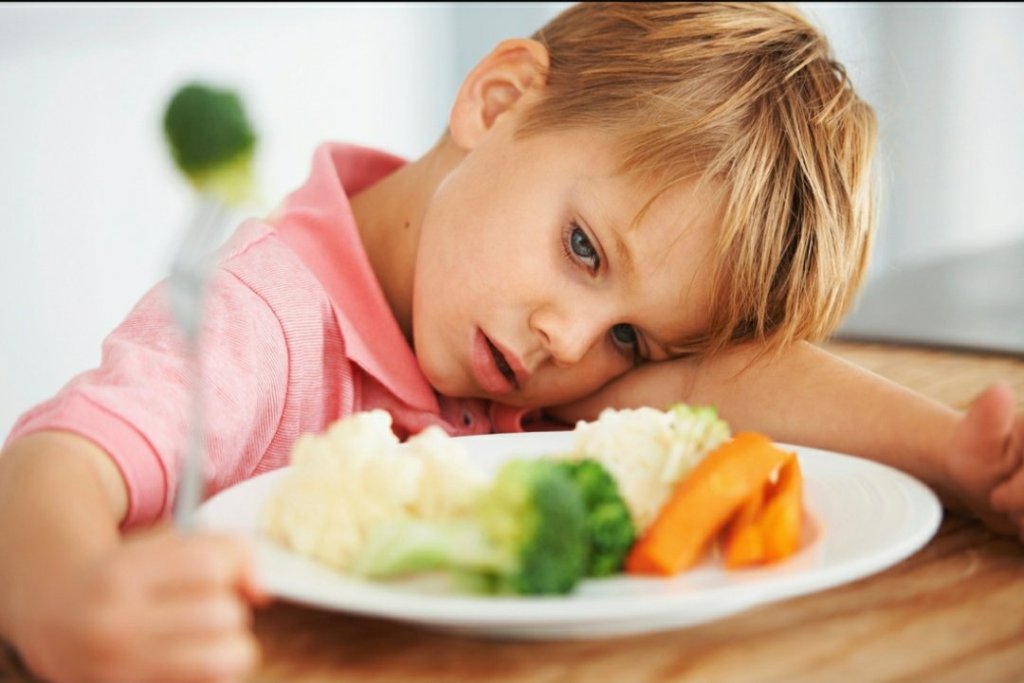
When it comes to eating disorder in children, early detection and prevention are key. Here, we take a closer look at the warning signs you should be looking out for.
Most people think of teenagers or young adults when they think of eating disorders, but they can affect young children as well. The rates of eating disorders among young girls and boys under 12 have been growing in recent years, so it is important for parents and anyone who works with young children to recognize the signs. Physical growth is such an important component of childhood, and eating disorders can cause significant damage to a child’s body.
What are eating disorders?
Eating disorders are mental health conditions marked by an obsession with food or body shape. They can affect anyone but are most prevalent among young women.
What causes eating disorders?
Eating disorders can be heritable, so if a parent, sibling, or another relative of a child has an eating disorder, they are 7-12 times more likely to develop one than a child who does not. Children diagnosed with chronic illness are also at higher risk, particularly those diagnosed with insulin-dependent diabetes mellitus.Children who struggle with depression, anxiety, and other mental illness may also be at increased risk. If we want to summarize then eating disorders may be caused by several factors. These include genetics, brain biology, personality traits, and cultural ideals.
Common Types of Eating Disorders in Children
Avoidant/Restrictive Food Intake Disorder (ARFID)
It is a common eating disorder experienced by young children. Children with this disorder experience a disturbance in their eating which can include a lack of interest in food or a sensory aversion to certain foods. For example, a child might be averse to swallowing or the texture of foods they once enjoyed. They might also fear of getting stomach aches or vomiting if they became sick because of a certain food. These aversions and restrictions can lead to weight loss and nutritional deficiency among young children.
Pica
It is a type of condition where a child might eat non-food or non-nutritional substances persistently. To be diagnosed with pica, the behavior must fall outside of the child’s expected developmental level (i.e. an infant who chews on objects would not qualify). These substances often include dirt, soap, chalk, sand, ice, and hair.
Anorexia nervosa
It can affect both young girls and boys. Children with anorexia think they are overweight when they seem very underweight to other people. Children might obsess about their food intake and with how to control their weight. They might exercise intensively or binge and then purge. Anorexia can cause significant damage to physical health and growth, so it is important to seek treatment as soon as possible for a child.
Silent Signs of Eating Disorders in Children:
1. Abnormal weight changes
2. Avoidance of family meals
3. Missing food in home
4. Specific food adoption
5. Increase in physical activities
6. Sudden interest in cooking
7. Increased focus on appearance
Signs of a more developed eating disorder can include:
- Refraining from eating
- Reducing food portions
- Weight loss
- Lack of growth
- Thinning of hair
- Delay of puberty
- Constipation or digestion problems
- Hiding or hoarding food
- Mood swings
- Fine hair growth on the body
What if my child is having eating disorders?
If you think your child has an eating disorder:
Get help early. When an eating disorder is caught early, a person has a better chance of recovery. Make an appointment with your child’s doctor or an eating disorders specialist.
Talk to your child about your concerns. Be calm, direct, and caring. Let them know you will help. Ask them to tell you what it’s like for them.
Go to all appointments. Treatment takes time and effort. Work with the care team to get the help your child needs. Ask questions any time you have them.
Be patient and supportive. Learn what you can do to help your child. Try to keep your relationship with your child strong and positive. Make time to listen, talk, and do things that you both enjoy.
 healthy child and healthy recipes
Very informative… Keep up the good work…
LikeLiked by 1 person
good job pooja keep it up 👍👍
this is very helpful for all mothers who get their baby healthy and happy.
LikeLiked by 1 person
nyc and vry helpful di..👍👍
LikeLike
Hurray!!new topic with lots of information..
LikeLike